Buy womensfootball.eu ?
We are moving the project
womensfootball.eu .
Are you interested in purchasing the domain
womensfootball.eu ?
domain@kv-gmbh.de · 0541-91531010
Buy womensfootball.eu ?
What are demonstrative pronouns and relative pronouns?
Demonstrative pronouns are pronouns that are used to point to specific things or people. Examples of demonstrative pronouns include "this," "that," "these," and "those." Relative pronouns are pronouns that introduce dependent clauses and connect them to independent clauses. Examples of relative pronouns include "who," "whom," "whose," "which," and "that." **
Why are demonstrative pronouns called demonstrative pronouns?
Demonstrative pronouns are called demonstrative because they demonstrate or point to a specific noun or pronoun in a sentence. They help to indicate the position or location of the noun or pronoun in relation to the speaker or listener. By using demonstrative pronouns such as "this," "that," "these," and "those," speakers can make their communication more precise and clear by specifying which person, place, thing, or idea they are referring to. **
Similar search terms for Pronouns
Top-Angebote
Products related to Pronouns:
-
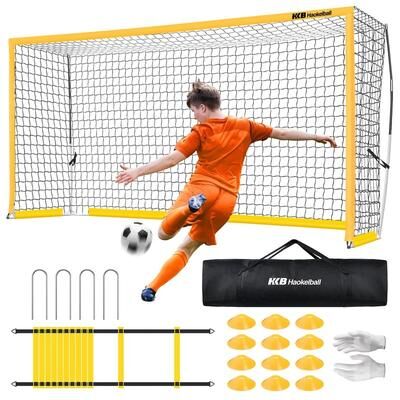
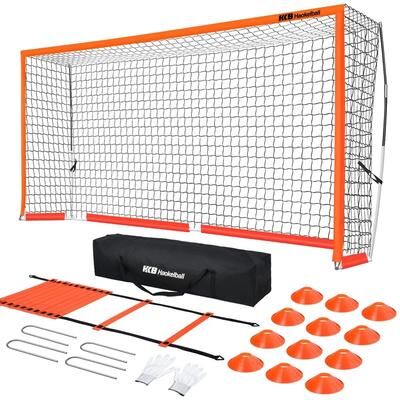
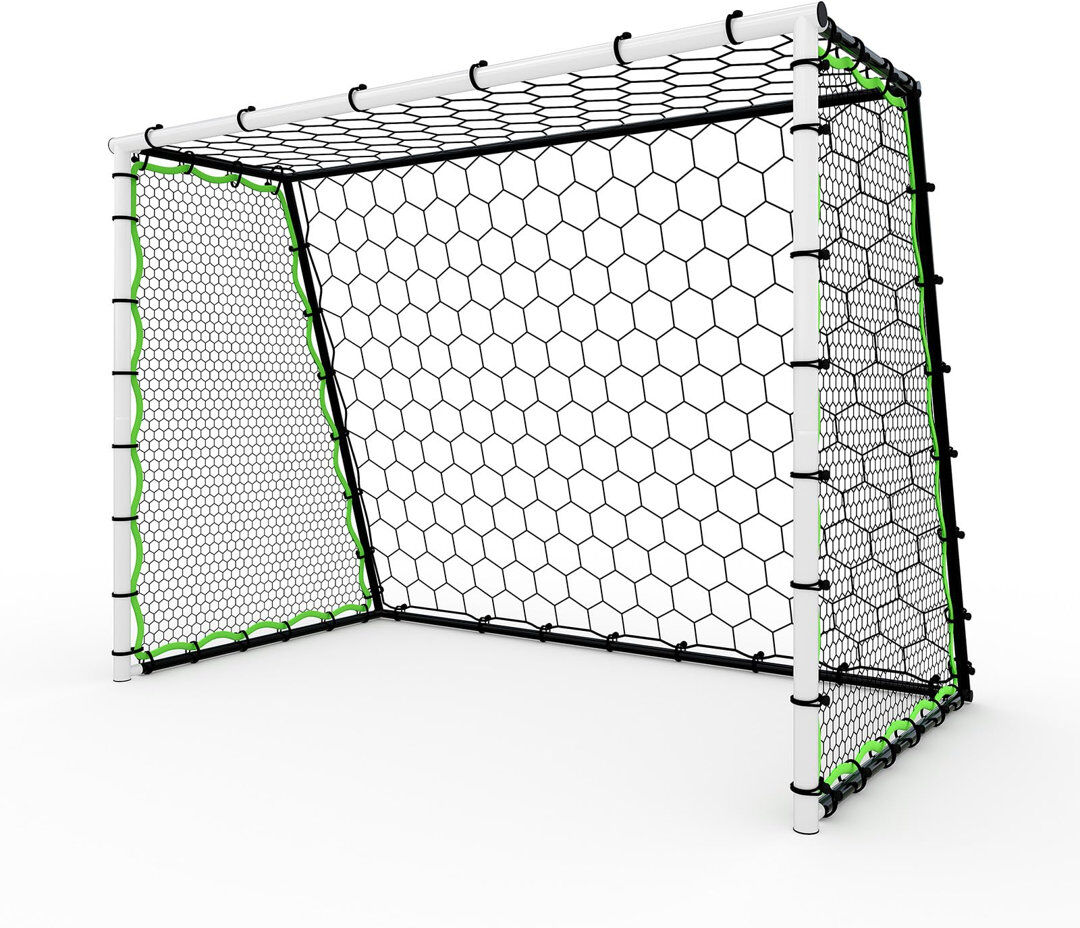
Haokelball 12x6ft Portable Soccer Goal with Agility Ladder & Cones – Quick Setup Backyard Soccer Net with Carry BagAbout this item ️ Robust Construction for Lasting Stability Built with sturdy support posts, flexible fiberglass poles, a reinforced steel base, and four ground stakes, this soccer goal delivers exceptional stability and durability for intense play111,05 $*Shipping: 0,00 $Secure redirect to the provider
-
Haokelball Portable 12x6FT Soccer Goal Net Set – Carry Bag, Cones & Agility Ladder IncludedProduct Highlights Durable Frame Construction – Made of robust metal tubes and flexible fiber rods for structural integrity and impact cushioning Reinforced Net Material – Knotted anti-tear net extends product lifespan under regular use Enhanced…99,99 $*Shipping: 0,00 $Secure redirect to the provider


-
With which pronouns do many people confuse reflexive pronouns?
Many people confuse reflexive pronouns with personal pronouns. For example, they may use "myself" or "yourself" instead of "me" or "you" in a sentence. This confusion often occurs when people are trying to emphasize the subject of the sentence, but they mistakenly use a reflexive pronoun instead of a personal pronoun. It's important to understand the difference between reflexive and personal pronouns in order to use them correctly in sentences. **
-
What are pronouns?
Pronouns are words that are used in place of nouns to avoid repetition in a sentence. They can refer to people, places, things, or ideas. Pronouns help make sentences clearer and more concise by replacing specific nouns with general words like "he," "she," "it," "they," and "we." Using pronouns also helps to maintain the flow of writing and make it more engaging for the reader. **
-
Which pronouns do many people often confuse with reflexive pronouns?
Many people often confuse reflexive pronouns with intensive pronouns. Intensive pronouns are used to emphasize a preceding noun or pronoun, while reflexive pronouns are used when the subject and object of a sentence are the same. For example, "I myself will do it" uses an intensive pronoun, while "I hurt myself" uses a reflexive pronoun. It is important to understand the distinction between these two types of pronouns to use them correctly in sentences. **
-
What is the difference between personal pronouns and reflexive pronouns?
Personal pronouns are used to refer to people or things, such as "I," "you," "he," "she," "it," "we," and "they." Reflexive pronouns, on the other hand, are used when the subject and object of a sentence are the same person or thing, such as "myself," "yourself," "himself," "herself," "itself," "ourselves," and "themselves." Reflexive pronouns are used to reflect the action back onto the subject, while personal pronouns simply refer to the subject or object. **

Can you help me with personal pronouns and possessive pronouns?
Certainly! Personal pronouns are used to replace nouns in a sentence, such as "I", "you", "he", "she", "it", "we", and "they". Possessive pronouns show ownership or possession, such as "mine", "yours", "his", "hers", "ours", and "theirs". If you need help understanding how to use these pronouns in a sentence or identifying which pronoun to use in a specific context, feel free to ask for more guidance. **
What is the difference between reflexive pronouns and personal pronouns?
Reflexive pronouns are used when the subject and the object of a sentence are the same, indicating that the action is being performed by the subject on itself. For example, "I hurt myself." In this sentence, "myself" is a reflexive pronoun. Personal pronouns, on the other hand, are used to refer to people or things and can be the subject or object of a sentence. For example, "She loves him." In this sentence, "she" and "him" are personal pronouns. **
Top-Angebote
Products related to Pronouns:
-
Haokelball 12x6ft Portable Soccer Goal with Agility Ladder & Cones – Quick Setup Backyard Soccer Net with Carry BagAbout this item ️ Robust Construction for Lasting Stability Built with sturdy support posts, flexible fiberglass poles, a reinforced steel base, and four ground stakes, this soccer goal delivers exceptional stability and durability for intense play111,05 $*Shipping: 0,00 $Secure redirect to the provider
-
What are demonstrative pronouns and relative pronouns?
Demonstrative pronouns are pronouns that are used to point to specific things or people. Examples of demonstrative pronouns include "this," "that," "these," and "those." Relative pronouns are pronouns that introduce dependent clauses and connect them to independent clauses. Examples of relative pronouns include "who," "whom," "whose," "which," and "that." **
-
Why are demonstrative pronouns called demonstrative pronouns?
Demonstrative pronouns are called demonstrative because they demonstrate or point to a specific noun or pronoun in a sentence. They help to indicate the position or location of the noun or pronoun in relation to the speaker or listener. By using demonstrative pronouns such as "this," "that," "these," and "those," speakers can make their communication more precise and clear by specifying which person, place, thing, or idea they are referring to. **
-
With which pronouns do many people confuse reflexive pronouns?
Many people confuse reflexive pronouns with personal pronouns. For example, they may use "myself" or "yourself" instead of "me" or "you" in a sentence. This confusion often occurs when people are trying to emphasize the subject of the sentence, but they mistakenly use a reflexive pronoun instead of a personal pronoun. It's important to understand the difference between reflexive and personal pronouns in order to use them correctly in sentences. **
-
What are pronouns?
Pronouns are words that are used in place of nouns to avoid repetition in a sentence. They can refer to people, places, things, or ideas. Pronouns help make sentences clearer and more concise by replacing specific nouns with general words like "he," "she," "it," "they," and "we." Using pronouns also helps to maintain the flow of writing and make it more engaging for the reader. **
Similar search terms for Pronouns
-
Haokelball Portable 12x6FT Soccer Goal Net Set – Carry Bag, Cones & Agility Ladder IncludedProduct Highlights Durable Frame Construction – Made of robust metal tubes and flexible fiber rods for structural integrity and impact cushioning Reinforced Net Material – Knotted anti-tear net extends product lifespan under regular use Enhanced…99,99 $*Shipping: 0,00 $Secure redirect to the provider
-
ZACOO 3-in-1 Soccer Rebounder Net 7x5ft, Large Football Goal Trainer with High, Low Shot Zones, Durable Steel Frame, for , Passing, Ball Control, Solo, TeamUpgrade your soccer training with this 3-in-1 Soccer Rebounder Net and Goal. Measuring 7x5ft, it features both high and low rebound zones to simulate real-game scenarios, boosting skills in , passing, and ball control. The sturdy steel construction ensures durability for powerful kicks and year-round use, while the quick-rebound net allows for non-stop, efficient practice. Whether you’re a beginner practicing at home or a seasoned player training with your team, this versatile trainer elevates every session. Stop chasing balls and start maximizing your performance—anytime, anywhere. ZACOO119,99 £*Shipping: 0,00 £Secure redirect to the provider
-
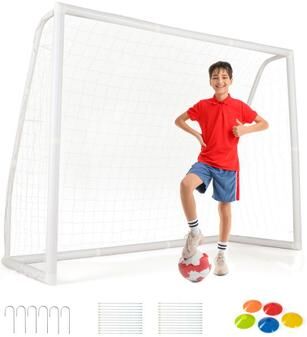
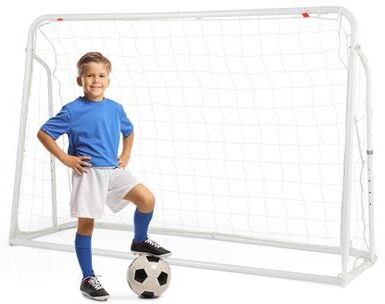
Costway 12 x 6 Feet Soccer Goal with Strong PVC Frame and High-Strength NettingThe soccer goal measures 12 x 4 x 6 ft (L x W x H) and only weighs 24.5 lbs, which is portable and lightweight for outdoor use, and you can install it anywhere you want.102,99 $*Shipping: 0,00 $Secure redirect to the provider
-
Which pronouns do many people often confuse with reflexive pronouns?
Many people often confuse reflexive pronouns with intensive pronouns. Intensive pronouns are used to emphasize a preceding noun or pronoun, while reflexive pronouns are used when the subject and object of a sentence are the same. For example, "I myself will do it" uses an intensive pronoun, while "I hurt myself" uses a reflexive pronoun. It is important to understand the distinction between these two types of pronouns to use them correctly in sentences. **
-
What is the difference between personal pronouns and reflexive pronouns?
Personal pronouns are used to refer to people or things, such as "I," "you," "he," "she," "it," "we," and "they." Reflexive pronouns, on the other hand, are used when the subject and object of a sentence are the same person or thing, such as "myself," "yourself," "himself," "herself," "itself," "ourselves," and "themselves." Reflexive pronouns are used to reflect the action back onto the subject, while personal pronouns simply refer to the subject or object. **
-
Can you help me with personal pronouns and possessive pronouns?
Certainly! Personal pronouns are used to replace nouns in a sentence, such as "I", "you", "he", "she", "it", "we", and "they". Possessive pronouns show ownership or possession, such as "mine", "yours", "his", "hers", "ours", and "theirs". If you need help understanding how to use these pronouns in a sentence or identifying which pronoun to use in a specific context, feel free to ask for more guidance. **
-
What is the difference between reflexive pronouns and personal pronouns?
Reflexive pronouns are used when the subject and the object of a sentence are the same, indicating that the action is being performed by the subject on itself. For example, "I hurt myself." In this sentence, "myself" is a reflexive pronoun. Personal pronouns, on the other hand, are used to refer to people or things and can be the subject or object of a sentence. For example, "She loves him." In this sentence, "she" and "him" are personal pronouns. **
* All prices are inclusive of VAT and, if applicable, plus shipping costs. The offer information is based on the details provided by the respective shop and is updated through automated processes. Real-time updates do not occur, so deviations can occur in individual cases. ** Note: Parts of this content were created by AI.