Buy womensfootball.eu ?
We are moving the project
womensfootball.eu .
Are you interested in purchasing the domain
womensfootball.eu ?
domain@kv-gmbh.de · 0541-91531010
Buy womensfootball.eu ?
How should the .htaccess file look like?
The .htaccess file is a plain text file that should be named exactly ".htaccess" (without any file extension) and placed in the root directory of your website. The file should contain directives that control various aspects of how your website functions, such as URL redirection, access control, and custom error pages. Each directive should be on a separate line and follow the syntax specified for that directive. It's important to be careful when editing the .htaccess file, as incorrect syntax or directives can cause errors on your website. **
How do I remove HTML via htaccess?
To remove HTML via htaccess, you can use the following code in your .htaccess file: ``` RewriteEngine On RewriteRule ^(.+)\.html$ /$1 [R=301,L] ``` This code will redirect any URL ending in .html to the same URL without the .html extension. This way, the HTML extension will be removed from the URL. Make sure to backup your .htaccess file before making any changes. **

Similar search terms for Htaccess
Top-Angebote
Products related to Htaccess:
-
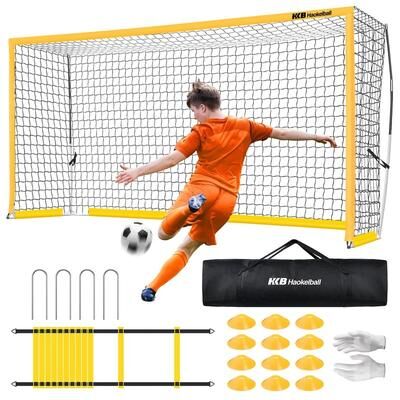
Haokelball 12x6ft Portable Soccer Goal with Agility Ladder & Cones – Quick Setup Backyard Soccer Net with Carry BagAbout this item ️ Robust Construction for Lasting Stability Built with sturdy support posts, flexible fiberglass poles, a reinforced steel base, and four ground stakes, this soccer goal delivers exceptional stability and durability for intense play111,05 $*Shipping: 0,00 $Secure redirect to the provider
-
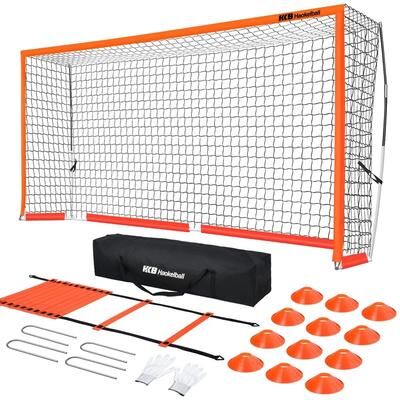
Haokelball Portable 12x6FT Soccer Goal Net Set – Carry Bag, Cones & Agility Ladder IncludedProduct Highlights Durable Frame Construction – Made of robust metal tubes and flexible fiber rods for structural integrity and impact cushioning Reinforced Net Material – Knotted anti-tear net extends product lifespan under regular use Enhanced…99,99 $*Shipping: 0,00 $Secure redirect to the provider
-
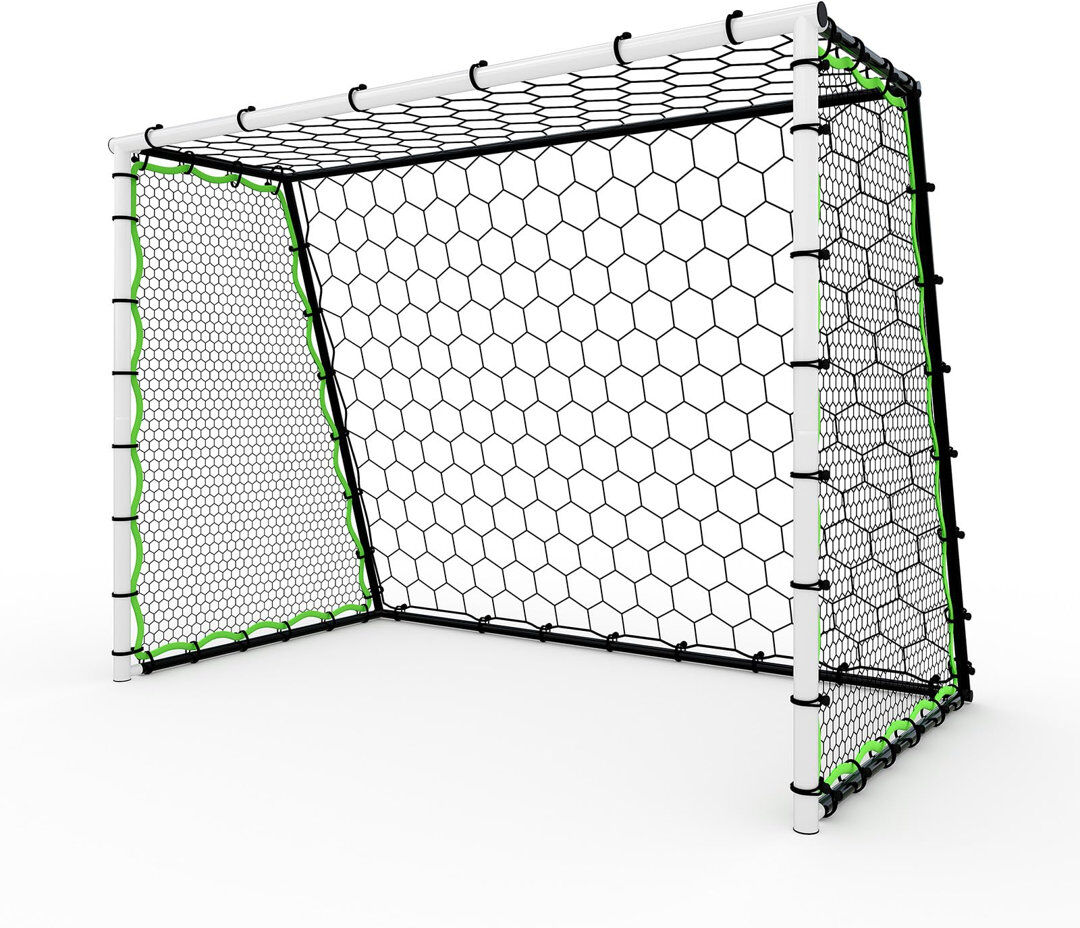
ZACOO 3-in-1 Soccer Rebounder Net 7x5ft, Large Football Goal Trainer with High, Low Shot Zones, Durable Steel Frame, for , Passing, Ball Control, Solo, TeamUpgrade your soccer training with this 3-in-1 Soccer Rebounder Net and Goal. Measuring 7x5ft, it features both high and low rebound zones to simulate real-game scenarios, boosting skills in , passing, and ball control. The sturdy steel construction ensures durability for powerful kicks and year-round use, while the quick-rebound net allows for non-stop, efficient practice. Whether you’re a beginner practicing at home or a seasoned player training with your team, this versatile trainer elevates every session. Stop chasing balls and start maximizing your performance—anytime, anywhere. ZACOO119,99 £*Shipping: 0,00 £Secure redirect to the provider

-
Why is the .htaccess file not working?
The .htaccess file may not be working due to several reasons. It could be that the file is not named correctly, or it is placed in the wrong directory. Additionally, the server may not be configured to allow the use of .htaccess files, or there may be syntax errors within the file itself. It is also possible that the directives in the .htaccess file are being overridden by other configuration settings. Troubleshooting these potential issues can help in resolving the problem with the .htaccess file. **
-
How do you work with the .htaccess file?
To work with the .htaccess file, I typically use a text editor to make changes to the file. I can add or modify directives within the .htaccess file to control various aspects of the server's behavior, such as URL redirection, access control, and custom error pages. It's important to be cautious when working with the .htaccess file, as incorrect configurations can lead to server errors or security vulnerabilities. I also make sure to test any changes I make to the .htaccess file to ensure they are functioning as intended. **
-
How can I update the .htaccess file in Nextcloud?
To update the .htaccess file in Nextcloud, you can access it through the file manager in your web hosting control panel or via FTP. Locate the .htaccess file in the root directory of your Nextcloud installation. You can then edit the file directly using a text editor to make the necessary changes or additions. Save the changes and upload the updated .htaccess file back to the server. **
-
Where is my password located in the .htaccess file?
Your password is located in the .htpasswd file, not the .htaccess file. The .htpasswd file stores usernames and encrypted passwords for HTTP authentication. The .htaccess file is used to configure access control and other server settings, but it does not store passwords. **


Why can't I block some IPv4 ranges with .htaccess?
You may not be able to block some IPv4 ranges with .htaccess because it is limited in its ability to handle large lists of IP addresses. .htaccess is not designed to efficiently handle blocking of large ranges of IP addresses, and attempting to do so can lead to performance issues and potential server overload. Additionally, .htaccess may not be the most effective method for blocking IP ranges, as it is better suited for smaller, more targeted blocks. It may be more effective to use a firewall or server-level configuration to block larger ranges of IP addresses. **
How do I remove the part htaccess from a URL?
To remove the .htaccess part from a URL, you can simply delete or rename the .htaccess file in the root directory of your website. This file is responsible for configuring various settings for your website, including URL rewriting. By removing or renaming the .htaccess file, you will disable any URL rewriting rules that may be affecting your URLs. Make sure to backup the .htaccess file before making any changes, as it can impact the functionality of your website. **
Top-Angebote
Products related to Htaccess:
-
Haokelball 12x6ft Portable Soccer Goal with Agility Ladder & Cones – Quick Setup Backyard Soccer Net with Carry BagAbout this item ️ Robust Construction for Lasting Stability Built with sturdy support posts, flexible fiberglass poles, a reinforced steel base, and four ground stakes, this soccer goal delivers exceptional stability and durability for intense play111,05 $*Shipping: 0,00 $Secure redirect to the provider
-
How should the .htaccess file look like?
The .htaccess file is a plain text file that should be named exactly ".htaccess" (without any file extension) and placed in the root directory of your website. The file should contain directives that control various aspects of how your website functions, such as URL redirection, access control, and custom error pages. Each directive should be on a separate line and follow the syntax specified for that directive. It's important to be careful when editing the .htaccess file, as incorrect syntax or directives can cause errors on your website. **
-
How do I remove HTML via htaccess?
To remove HTML via htaccess, you can use the following code in your .htaccess file: ``` RewriteEngine On RewriteRule ^(.+)\.html$ /$1 [R=301,L] ``` This code will redirect any URL ending in .html to the same URL without the .html extension. This way, the HTML extension will be removed from the URL. Make sure to backup your .htaccess file before making any changes. **
-
Why is the .htaccess file not working?
The .htaccess file may not be working due to several reasons. It could be that the file is not named correctly, or it is placed in the wrong directory. Additionally, the server may not be configured to allow the use of .htaccess files, or there may be syntax errors within the file itself. It is also possible that the directives in the .htaccess file are being overridden by other configuration settings. Troubleshooting these potential issues can help in resolving the problem with the .htaccess file. **
-
How do you work with the .htaccess file?
To work with the .htaccess file, I typically use a text editor to make changes to the file. I can add or modify directives within the .htaccess file to control various aspects of the server's behavior, such as URL redirection, access control, and custom error pages. It's important to be cautious when working with the .htaccess file, as incorrect configurations can lead to server errors or security vulnerabilities. I also make sure to test any changes I make to the .htaccess file to ensure they are functioning as intended. **
Similar search terms for Htaccess
-
Haokelball Portable 12x6FT Soccer Goal Net Set – Carry Bag, Cones & Agility Ladder IncludedProduct Highlights Durable Frame Construction – Made of robust metal tubes and flexible fiber rods for structural integrity and impact cushioning Reinforced Net Material – Knotted anti-tear net extends product lifespan under regular use Enhanced…99,99 $*Shipping: 0,00 $Secure redirect to the provider
-
ZACOO 3-in-1 Soccer Rebounder Net 7x5ft, Large Football Goal Trainer with High, Low Shot Zones, Durable Steel Frame, for , Passing, Ball Control, Solo, TeamUpgrade your soccer training with this 3-in-1 Soccer Rebounder Net and Goal. Measuring 7x5ft, it features both high and low rebound zones to simulate real-game scenarios, boosting skills in , passing, and ball control. The sturdy steel construction ensures durability for powerful kicks and year-round use, while the quick-rebound net allows for non-stop, efficient practice. Whether you’re a beginner practicing at home or a seasoned player training with your team, this versatile trainer elevates every session. Stop chasing balls and start maximizing your performance—anytime, anywhere. ZACOO119,99 £*Shipping: 0,00 £Secure redirect to the provider
-
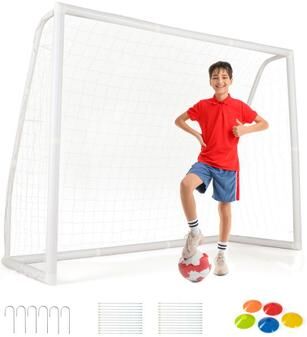
Costway 12 x 6 Feet Soccer Goal with Strong PVC Frame and High-Strength NettingThe soccer goal measures 12 x 4 x 6 ft (L x W x H) and only weighs 24.5 lbs, which is portable and lightweight for outdoor use, and you can install it anywhere you want.102,99 $*Shipping: 0,00 $Secure redirect to the provider
-
How can I update the .htaccess file in Nextcloud?
To update the .htaccess file in Nextcloud, you can access it through the file manager in your web hosting control panel or via FTP. Locate the .htaccess file in the root directory of your Nextcloud installation. You can then edit the file directly using a text editor to make the necessary changes or additions. Save the changes and upload the updated .htaccess file back to the server. **
-
Where is my password located in the .htaccess file?
Your password is located in the .htpasswd file, not the .htaccess file. The .htpasswd file stores usernames and encrypted passwords for HTTP authentication. The .htaccess file is used to configure access control and other server settings, but it does not store passwords. **
-
Why can't I block some IPv4 ranges with .htaccess?
You may not be able to block some IPv4 ranges with .htaccess because it is limited in its ability to handle large lists of IP addresses. .htaccess is not designed to efficiently handle blocking of large ranges of IP addresses, and attempting to do so can lead to performance issues and potential server overload. Additionally, .htaccess may not be the most effective method for blocking IP ranges, as it is better suited for smaller, more targeted blocks. It may be more effective to use a firewall or server-level configuration to block larger ranges of IP addresses. **
-
How do I remove the part htaccess from a URL?
To remove the .htaccess part from a URL, you can simply delete or rename the .htaccess file in the root directory of your website. This file is responsible for configuring various settings for your website, including URL rewriting. By removing or renaming the .htaccess file, you will disable any URL rewriting rules that may be affecting your URLs. Make sure to backup the .htaccess file before making any changes, as it can impact the functionality of your website. **
* All prices are inclusive of VAT and, if applicable, plus shipping costs. The offer information is based on the details provided by the respective shop and is updated through automated processes. Real-time updates do not occur, so deviations can occur in individual cases. ** Note: Parts of this content were created by AI.