Buy womensfootball.eu ?
We are moving the project
womensfootball.eu .
Are you interested in purchasing the domain
womensfootball.eu ?
domain@kv-gmbh.de · 0541-91531010
Buy womensfootball.eu ?
What is the VSEPR theory in chemistry?
The VSEPR theory, which stands for Valence Shell Electron Pair Repulsion theory, is a model used in chemistry to predict the geometry of individual molecules based on the number of electron pairs surrounding their central atoms. According to this theory, electron pairs in the valence shell of an atom repel each other, leading to a molecular shape that minimizes this repulsion. By considering the number of bonding and non-bonding electron pairs around the central atom, the VSEPR theory can accurately predict the shape of molecules, helping chemists understand their properties and behaviors. **
What is molecular geometry according to the VSEPR theory?
Molecular geometry, according to the VSEPR (Valence Shell Electron Pair Repulsion) theory, is the three-dimensional arrangement of atoms in a molecule based on the repulsion between electron pairs in the valence shell of the central atom. The theory predicts the shape of a molecule by minimizing the repulsion between electron pairs, resulting in specific geometric arrangements such as linear, trigonal planar, tetrahedral, and so on. Understanding molecular geometry is crucial in determining the physical and chemical properties of a molecule, as well as its reactivity and behavior in various chemical reactions. **


Similar search terms for VSEPR
Top-Angebote
Products related to VSEPR:
-
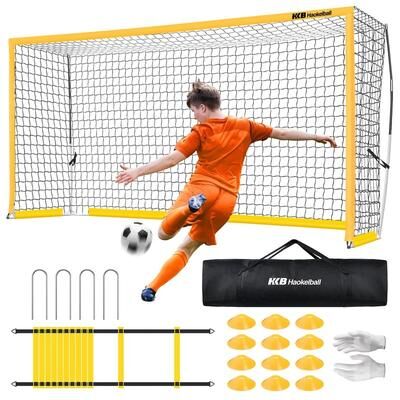
Haokelball 12x6ft Portable Soccer Goal with Agility Ladder & Cones – Quick Setup Backyard Soccer Net with Carry BagAbout this item ️ Robust Construction for Lasting Stability Built with sturdy support posts, flexible fiberglass poles, a reinforced steel base, and four ground stakes, this soccer goal delivers exceptional stability and durability for intense play111,05 $*Shipping: 0,00 $Secure redirect to the provider
-
Haokelball Portable 12x6FT Soccer Goal Net Set – Carry Bag, Cones & Agility Ladder IncludedProduct Highlights Durable Frame Construction – Made of robust metal tubes and flexible fiber rods for structural integrity and impact cushioning Reinforced Net Material – Knotted anti-tear net extends product lifespan under regular use Enhanced…99,99 $*Shipping: 0,00 $Secure redirect to the provider
-
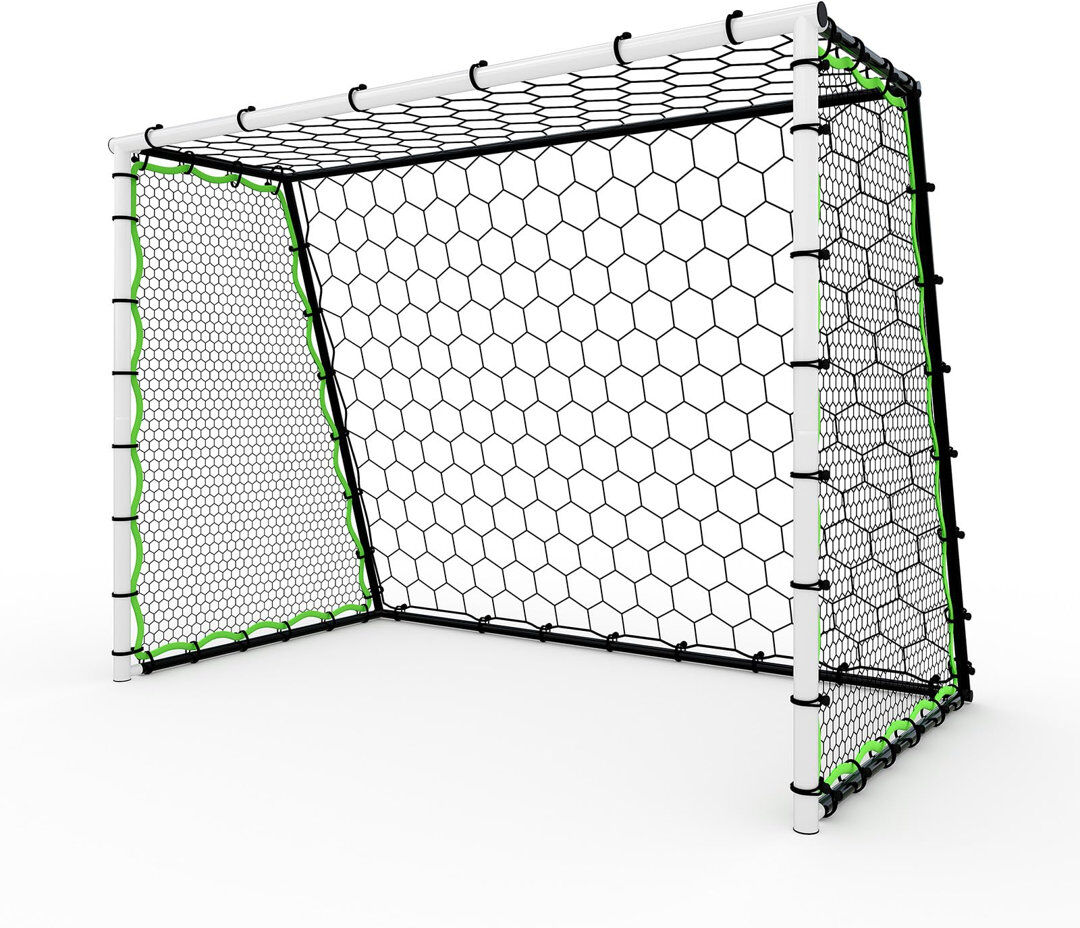
ZACOO 3-in-1 Soccer Rebounder Net 7x5ft, Large Football Goal Trainer with High, Low Shot Zones, Durable Steel Frame, for , Passing, Ball Control, Solo, TeamUpgrade your soccer training with this 3-in-1 Soccer Rebounder Net and Goal. Measuring 7x5ft, it features both high and low rebound zones to simulate real-game scenarios, boosting skills in , passing, and ball control. The sturdy steel construction ensures durability for powerful kicks and year-round use, while the quick-rebound net allows for non-stop, efficient practice. Whether you’re a beginner practicing at home or a seasoned player training with your team, this versatile trainer elevates every session. Stop chasing balls and start maximizing your performance—anytime, anywhere. ZACOO119,99 £*Shipping: 0,00 £Secure redirect to the provider


-
What is a double bond in the VSEPR model?
In the VSEPR (Valence Shell Electron Pair Repulsion) model, a double bond is a type of covalent bond where two pairs of electrons are shared between two atoms. This results in a stronger and shorter bond compared to a single bond. In terms of molecular geometry, a double bond is treated as a single bonding group, and it affects the overall shape of the molecule. The presence of a double bond can influence the angles between other atoms in the molecule, leading to specific molecular shapes and properties. **
-
What is the VSEPR model for water and hydrogen sulfide?
The VSEPR (Valence Shell Electron Pair Repulsion) model for water and hydrogen sulfide is both molecules have a bent molecular geometry. In water (H2O), the oxygen atom is surrounded by two bonding pairs and two lone pairs of electrons, resulting in a bent shape. In hydrogen sulfide (H2S), the sulfur atom is surrounded by two bonding pairs and two lone pairs of electrons, also leading to a bent molecular structure. **
-
What is the difference between the VSEPR model and hybridization?
The VSEPR (Valence Shell Electron Pair Repulsion) model is a theory used to predict the geometry of molecules based on the repulsion between electron pairs in the valence shell of an atom. It focuses on the arrangement of electron pairs around the central atom to determine the molecular shape. On the other hand, hybridization is a concept used to explain the mixing of atomic orbitals to form new hybrid orbitals in the valence shell of an atom. This process occurs in order to accommodate the bonding requirements of a molecule and to explain the observed molecular geometries. Hybridization is used to describe the bonding in a molecule, while VSEPR is used to predict the molecular geometry based on the arrangement of electron pairs. **
-
What is the difference between the VSEPR model and the Lewis structure formula notation?
The VSEPR (Valence Shell Electron Pair Repulsion) model is a theory used to predict the shape of molecules based on the repulsion between electron pairs in the valence shell of an atom. It focuses on the arrangement of atoms and lone pairs around a central atom. On the other hand, the Lewis structure formula notation is a way of representing the bonding and non-bonding electrons in a molecule using lines and dots. It focuses on showing the connectivity of atoms and the distribution of electrons in a molecule. In summary, the VSEPR model predicts the shape of molecules, while the Lewis structure formula notation represents the electron distribution in a molecule. **


What is the VSEPR model in chemistry and what role does the central atom play in it?
The VSEPR (Valence Shell Electron Pair Repulsion) model is a theory in chemistry that predicts the shape of molecules based on the repulsion between electron pairs in the valence shell of an atom. The central atom in a molecule plays a crucial role in the VSEPR model as it is the atom around which the other atoms and lone pairs arrange themselves to minimize repulsion and achieve the most stable geometry. The number of bonding pairs and lone pairs around the central atom determine the molecular geometry according to the VSEPR theory. **
Why do non-bonding electron pairs take up more space than bonding electron pairs in the VSEPR model?
Non-bonding electron pairs take up more space than bonding electron pairs in the VSEPR model because they are not involved in the formation of a bond and therefore experience greater repulsion from other electron pairs. This repulsion causes non-bonding electron pairs to spread out more, resulting in a larger electron cloud and a greater repulsive force. In contrast, bonding electron pairs are held closer together by the shared nucleus of the bonded atoms, leading to a smaller electron cloud and less repulsion. This difference in repulsion between non-bonding and bonding electron pairs is a key factor in determining the overall shape of a molecule in the VSEPR model. **
Top-Angebote
Products related to VSEPR:
-
Haokelball 12x6ft Portable Soccer Goal with Agility Ladder & Cones – Quick Setup Backyard Soccer Net with Carry BagAbout this item ️ Robust Construction for Lasting Stability Built with sturdy support posts, flexible fiberglass poles, a reinforced steel base, and four ground stakes, this soccer goal delivers exceptional stability and durability for intense play111,05 $*Shipping: 0,00 $Secure redirect to the provider
-
What is the VSEPR theory in chemistry?
The VSEPR theory, which stands for Valence Shell Electron Pair Repulsion theory, is a model used in chemistry to predict the geometry of individual molecules based on the number of electron pairs surrounding their central atoms. According to this theory, electron pairs in the valence shell of an atom repel each other, leading to a molecular shape that minimizes this repulsion. By considering the number of bonding and non-bonding electron pairs around the central atom, the VSEPR theory can accurately predict the shape of molecules, helping chemists understand their properties and behaviors. **
-
What is molecular geometry according to the VSEPR theory?
Molecular geometry, according to the VSEPR (Valence Shell Electron Pair Repulsion) theory, is the three-dimensional arrangement of atoms in a molecule based on the repulsion between electron pairs in the valence shell of the central atom. The theory predicts the shape of a molecule by minimizing the repulsion between electron pairs, resulting in specific geometric arrangements such as linear, trigonal planar, tetrahedral, and so on. Understanding molecular geometry is crucial in determining the physical and chemical properties of a molecule, as well as its reactivity and behavior in various chemical reactions. **
-
What is a double bond in the VSEPR model?
In the VSEPR (Valence Shell Electron Pair Repulsion) model, a double bond is a type of covalent bond where two pairs of electrons are shared between two atoms. This results in a stronger and shorter bond compared to a single bond. In terms of molecular geometry, a double bond is treated as a single bonding group, and it affects the overall shape of the molecule. The presence of a double bond can influence the angles between other atoms in the molecule, leading to specific molecular shapes and properties. **
-
What is the VSEPR model for water and hydrogen sulfide?
The VSEPR (Valence Shell Electron Pair Repulsion) model for water and hydrogen sulfide is both molecules have a bent molecular geometry. In water (H2O), the oxygen atom is surrounded by two bonding pairs and two lone pairs of electrons, resulting in a bent shape. In hydrogen sulfide (H2S), the sulfur atom is surrounded by two bonding pairs and two lone pairs of electrons, also leading to a bent molecular structure. **
Similar search terms for VSEPR
-
Haokelball Portable 12x6FT Soccer Goal Net Set – Carry Bag, Cones & Agility Ladder IncludedProduct Highlights Durable Frame Construction – Made of robust metal tubes and flexible fiber rods for structural integrity and impact cushioning Reinforced Net Material – Knotted anti-tear net extends product lifespan under regular use Enhanced…99,99 $*Shipping: 0,00 $Secure redirect to the provider
-
ZACOO 3-in-1 Soccer Rebounder Net 7x5ft, Large Football Goal Trainer with High, Low Shot Zones, Durable Steel Frame, for , Passing, Ball Control, Solo, TeamUpgrade your soccer training with this 3-in-1 Soccer Rebounder Net and Goal. Measuring 7x5ft, it features both high and low rebound zones to simulate real-game scenarios, boosting skills in , passing, and ball control. The sturdy steel construction ensures durability for powerful kicks and year-round use, while the quick-rebound net allows for non-stop, efficient practice. Whether you’re a beginner practicing at home or a seasoned player training with your team, this versatile trainer elevates every session. Stop chasing balls and start maximizing your performance—anytime, anywhere. ZACOO119,99 £*Shipping: 0,00 £Secure redirect to the provider
-
Costway 12 x 6 Feet Soccer Goal with Strong PVC Frame and High-Strength NettingThe soccer goal measures 12 x 4 x 6 ft (L x W x H) and only weighs 24.5 lbs, which is portable and lightweight for outdoor use, and you can install it anywhere you want.102,99 $*Shipping: 0,00 $Secure redirect to the provider
-
What is the difference between the VSEPR model and hybridization?
The VSEPR (Valence Shell Electron Pair Repulsion) model is a theory used to predict the geometry of molecules based on the repulsion between electron pairs in the valence shell of an atom. It focuses on the arrangement of electron pairs around the central atom to determine the molecular shape. On the other hand, hybridization is a concept used to explain the mixing of atomic orbitals to form new hybrid orbitals in the valence shell of an atom. This process occurs in order to accommodate the bonding requirements of a molecule and to explain the observed molecular geometries. Hybridization is used to describe the bonding in a molecule, while VSEPR is used to predict the molecular geometry based on the arrangement of electron pairs. **
-
What is the difference between the VSEPR model and the Lewis structure formula notation?
The VSEPR (Valence Shell Electron Pair Repulsion) model is a theory used to predict the shape of molecules based on the repulsion between electron pairs in the valence shell of an atom. It focuses on the arrangement of atoms and lone pairs around a central atom. On the other hand, the Lewis structure formula notation is a way of representing the bonding and non-bonding electrons in a molecule using lines and dots. It focuses on showing the connectivity of atoms and the distribution of electrons in a molecule. In summary, the VSEPR model predicts the shape of molecules, while the Lewis structure formula notation represents the electron distribution in a molecule. **
-
What is the VSEPR model in chemistry and what role does the central atom play in it?
The VSEPR (Valence Shell Electron Pair Repulsion) model is a theory in chemistry that predicts the shape of molecules based on the repulsion between electron pairs in the valence shell of an atom. The central atom in a molecule plays a crucial role in the VSEPR model as it is the atom around which the other atoms and lone pairs arrange themselves to minimize repulsion and achieve the most stable geometry. The number of bonding pairs and lone pairs around the central atom determine the molecular geometry according to the VSEPR theory. **
-
Why do non-bonding electron pairs take up more space than bonding electron pairs in the VSEPR model?
Non-bonding electron pairs take up more space than bonding electron pairs in the VSEPR model because they are not involved in the formation of a bond and therefore experience greater repulsion from other electron pairs. This repulsion causes non-bonding electron pairs to spread out more, resulting in a larger electron cloud and a greater repulsive force. In contrast, bonding electron pairs are held closer together by the shared nucleus of the bonded atoms, leading to a smaller electron cloud and less repulsion. This difference in repulsion between non-bonding and bonding electron pairs is a key factor in determining the overall shape of a molecule in the VSEPR model. **
* All prices are inclusive of VAT and, if applicable, plus shipping costs. The offer information is based on the details provided by the respective shop and is updated through automated processes. Real-time updates do not occur, so deviations can occur in individual cases. ** Note: Parts of this content were created by AI.