Buy womensfootball.eu ?
We are moving the project
womensfootball.eu .
Are you interested in purchasing the domain
womensfootball.eu ?
domain@kv-gmbh.de · 0541-91531010
Buy womensfootball.eu ?
Does precipitation occur?
Yes, precipitation occurs when water droplets or ice crystals fall from the atmosphere and reach the Earth's surface. This can happen in the form of rain, snow, sleet, or hail, depending on the temperature and atmospheric conditions. Precipitation is a key part of the Earth's water cycle and is essential for providing water to plants, animals, and human populations. **
What are precipitation fluctuations?
Precipitation fluctuations refer to the variations in the amount and intensity of precipitation over a specific time period. These fluctuations can include changes in the frequency of rainfall events, the duration of precipitation, and the amount of rainfall received. Precipitation fluctuations can have significant impacts on ecosystems, agriculture, water resources, and weather patterns. Understanding and monitoring these fluctuations is important for predicting and adapting to changes in climate and weather patterns. **
Similar search terms for Precipitation
Top-Angebote
Products related to Precipitation:
-
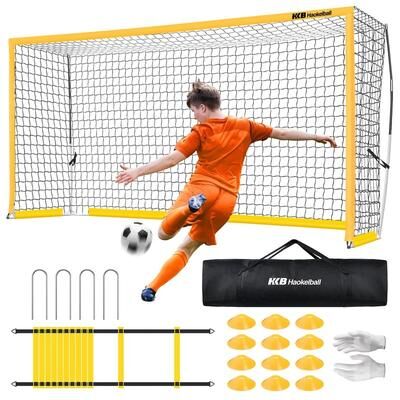
Haokelball 12x6ft Portable Soccer Goal with Agility Ladder & Cones – Quick Setup Backyard Soccer Net with Carry BagAbout this item ️ Robust Construction for Lasting Stability Built with sturdy support posts, flexible fiberglass poles, a reinforced steel base, and four ground stakes, this soccer goal delivers exceptional stability and durability for intense play111,05 $*Shipping: 0,00 $Secure redirect to the provider
-
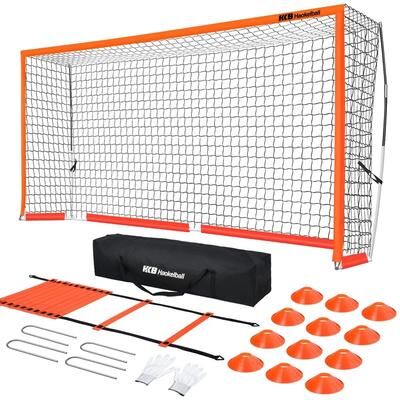
Haokelball Portable 12x6FT Soccer Goal Net Set – Carry Bag, Cones & Agility Ladder IncludedProduct Highlights Durable Frame Construction – Made of robust metal tubes and flexible fiber rods for structural integrity and impact cushioning Reinforced Net Material – Knotted anti-tear net extends product lifespan under regular use Enhanced…99,99 $*Shipping: 0,00 $Secure redirect to the provider
-
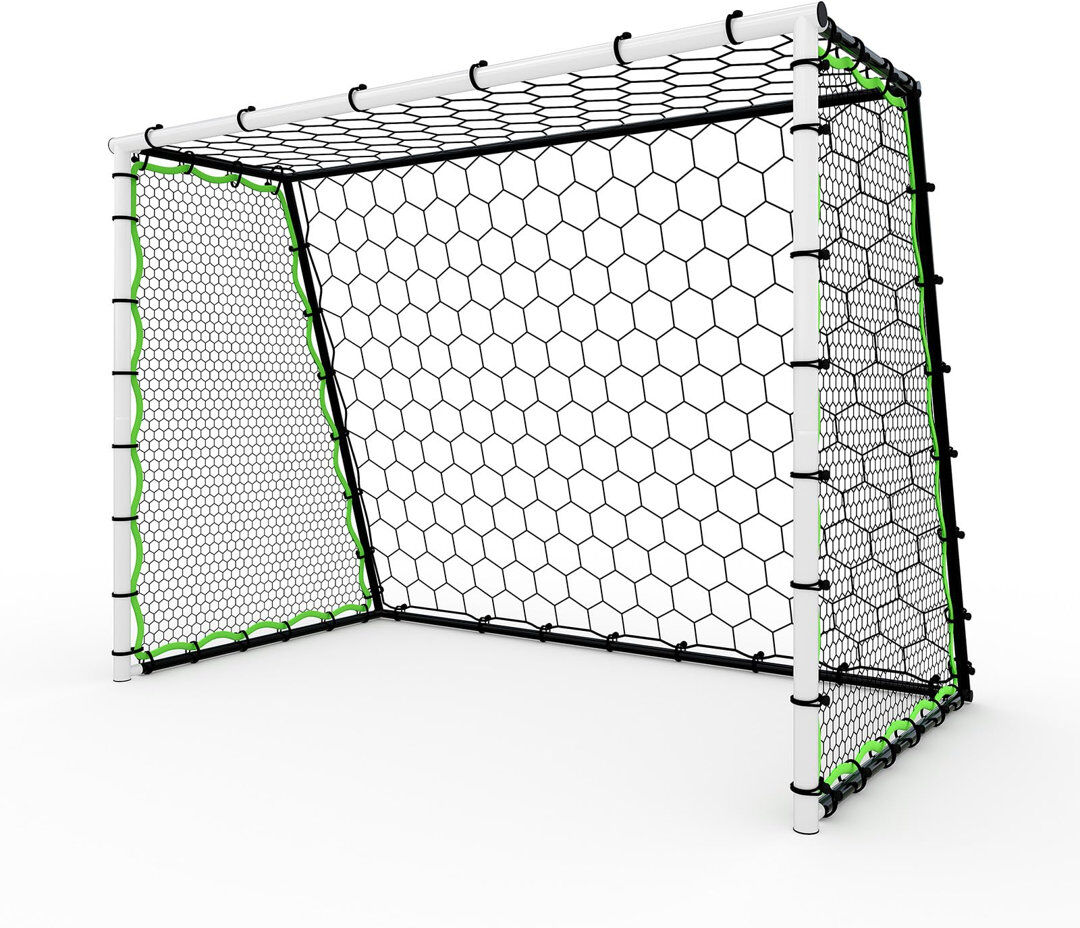
ZACOO 3-in-1 Soccer Rebounder Net 7x5ft, Large Football Goal Trainer with High, Low Shot Zones, Durable Steel Frame, for , Passing, Ball Control, Solo, TeamUpgrade your soccer training with this 3-in-1 Soccer Rebounder Net and Goal. Measuring 7x5ft, it features both high and low rebound zones to simulate real-game scenarios, boosting skills in , passing, and ball control. The sturdy steel construction ensures durability for powerful kicks and year-round use, while the quick-rebound net allows for non-stop, efficient practice. Whether you’re a beginner practicing at home or a seasoned player training with your team, this versatile trainer elevates every session. Stop chasing balls and start maximizing your performance—anytime, anywhere. ZACOO119,99 £*Shipping: 0,00 £Secure redirect to the provider

-
Why does precipitation form?
Precipitation forms when water vapor in the atmosphere condenses into liquid or solid water droplets and falls to the Earth's surface. This condensation occurs when warm, moist air rises and cools, causing the water vapor to condense around tiny particles in the air, such as dust or salt. The condensed water droplets then come together to form clouds, and when they become heavy enough, they fall to the ground as precipitation in the form of rain, snow, sleet, or hail. **
-
What is the precipitation amplitude?
Precipitation amplitude refers to the range of variation in the amount of precipitation that falls in a specific area over a given period of time. It is a measure of how much the precipitation levels fluctuate, from low to high, during a certain time frame. Understanding precipitation amplitude is important for assessing the variability in weather patterns and the potential impact on ecosystems, agriculture, and water resources in a region. By analyzing precipitation amplitude, scientists and meteorologists can better predict and prepare for extreme weather events such as droughts or heavy rainfall. **
-
What is the precipitation task?
The precipitation task refers to the measurement and prediction of the amount of water, in the form of rain, snow, sleet, or hail, that falls from the atmosphere to the Earth's surface. This task involves collecting data on precipitation patterns, analyzing historical records, and using various models and techniques to forecast future precipitation. Precipitation is a critical component of the Earth's water cycle and has significant impacts on agriculture, water resources, and natural ecosystems. Therefore, accurate prediction and understanding of precipitation patterns are essential for various sectors and industries. **
-
What is a precipitation radar?
A precipitation radar is a type of weather radar that is specifically designed to detect and measure the intensity of precipitation in the atmosphere. It uses radio waves to determine the location, movement, and intensity of rain, snow, sleet, or hail within a certain area. This information is important for weather forecasting, as it helps meteorologists track and predict the movement of storms and precipitation patterns. Precipitation radars are commonly used in meteorology, aviation, and hydrology to monitor and study precipitation events. **


Where does the precipitation come from?
Precipitation comes from the condensation of water vapor in the atmosphere. When warm, moist air rises and cools, the water vapor in the air condenses into tiny water droplets or ice crystals, forming clouds. As these droplets or crystals grow larger and heavier, they eventually fall to the ground as precipitation in the form of rain, snow, sleet, or hail. This process is part of the Earth's water cycle, where water is constantly moving between the atmosphere, land, and oceans. **
What is the order of precipitation?
The order of precipitation begins with the formation of cloud droplets through condensation of water vapor in the atmosphere. These droplets then grow in size and eventually become heavy enough to fall to the ground as rain. If the temperature is low enough, the precipitation may fall as snow or sleet. Finally, if the air is cold enough, freezing rain may occur, where rain falls and then freezes upon contact with the ground or other surfaces. **
Top-Angebote
Products related to Precipitation:
-
Haokelball 12x6ft Portable Soccer Goal with Agility Ladder & Cones – Quick Setup Backyard Soccer Net with Carry BagAbout this item ️ Robust Construction for Lasting Stability Built with sturdy support posts, flexible fiberglass poles, a reinforced steel base, and four ground stakes, this soccer goal delivers exceptional stability and durability for intense play111,05 $*Shipping: 0,00 $Secure redirect to the provider
-
Does precipitation occur?
Yes, precipitation occurs when water droplets or ice crystals fall from the atmosphere and reach the Earth's surface. This can happen in the form of rain, snow, sleet, or hail, depending on the temperature and atmospheric conditions. Precipitation is a key part of the Earth's water cycle and is essential for providing water to plants, animals, and human populations. **
-
What are precipitation fluctuations?
Precipitation fluctuations refer to the variations in the amount and intensity of precipitation over a specific time period. These fluctuations can include changes in the frequency of rainfall events, the duration of precipitation, and the amount of rainfall received. Precipitation fluctuations can have significant impacts on ecosystems, agriculture, water resources, and weather patterns. Understanding and monitoring these fluctuations is important for predicting and adapting to changes in climate and weather patterns. **
-
Why does precipitation form?
Precipitation forms when water vapor in the atmosphere condenses into liquid or solid water droplets and falls to the Earth's surface. This condensation occurs when warm, moist air rises and cools, causing the water vapor to condense around tiny particles in the air, such as dust or salt. The condensed water droplets then come together to form clouds, and when they become heavy enough, they fall to the ground as precipitation in the form of rain, snow, sleet, or hail. **
-
What is the precipitation amplitude?
Precipitation amplitude refers to the range of variation in the amount of precipitation that falls in a specific area over a given period of time. It is a measure of how much the precipitation levels fluctuate, from low to high, during a certain time frame. Understanding precipitation amplitude is important for assessing the variability in weather patterns and the potential impact on ecosystems, agriculture, and water resources in a region. By analyzing precipitation amplitude, scientists and meteorologists can better predict and prepare for extreme weather events such as droughts or heavy rainfall. **
Similar search terms for Precipitation
-
Haokelball Portable 12x6FT Soccer Goal Net Set – Carry Bag, Cones & Agility Ladder IncludedProduct Highlights Durable Frame Construction – Made of robust metal tubes and flexible fiber rods for structural integrity and impact cushioning Reinforced Net Material – Knotted anti-tear net extends product lifespan under regular use Enhanced…99,99 $*Shipping: 0,00 $Secure redirect to the provider
-
ZACOO 3-in-1 Soccer Rebounder Net 7x5ft, Large Football Goal Trainer with High, Low Shot Zones, Durable Steel Frame, for , Passing, Ball Control, Solo, TeamUpgrade your soccer training with this 3-in-1 Soccer Rebounder Net and Goal. Measuring 7x5ft, it features both high and low rebound zones to simulate real-game scenarios, boosting skills in , passing, and ball control. The sturdy steel construction ensures durability for powerful kicks and year-round use, while the quick-rebound net allows for non-stop, efficient practice. Whether you’re a beginner practicing at home or a seasoned player training with your team, this versatile trainer elevates every session. Stop chasing balls and start maximizing your performance—anytime, anywhere. ZACOO119,99 £*Shipping: 0,00 £Secure redirect to the provider
-
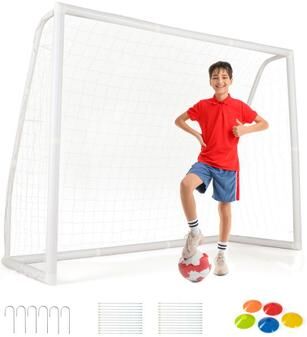
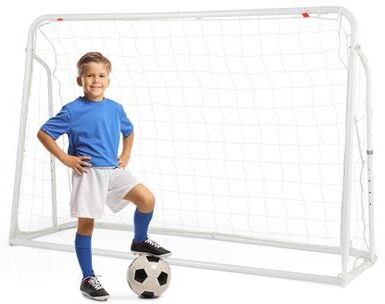
Costway 12 x 6 Feet Soccer Goal with Strong PVC Frame and High-Strength NettingThe soccer goal measures 12 x 4 x 6 ft (L x W x H) and only weighs 24.5 lbs, which is portable and lightweight for outdoor use, and you can install it anywhere you want.102,99 $*Shipping: 0,00 $Secure redirect to the provider
-
What is the precipitation task?
The precipitation task refers to the measurement and prediction of the amount of water, in the form of rain, snow, sleet, or hail, that falls from the atmosphere to the Earth's surface. This task involves collecting data on precipitation patterns, analyzing historical records, and using various models and techniques to forecast future precipitation. Precipitation is a critical component of the Earth's water cycle and has significant impacts on agriculture, water resources, and natural ecosystems. Therefore, accurate prediction and understanding of precipitation patterns are essential for various sectors and industries. **
-
What is a precipitation radar?
A precipitation radar is a type of weather radar that is specifically designed to detect and measure the intensity of precipitation in the atmosphere. It uses radio waves to determine the location, movement, and intensity of rain, snow, sleet, or hail within a certain area. This information is important for weather forecasting, as it helps meteorologists track and predict the movement of storms and precipitation patterns. Precipitation radars are commonly used in meteorology, aviation, and hydrology to monitor and study precipitation events. **
-
Where does the precipitation come from?
Precipitation comes from the condensation of water vapor in the atmosphere. When warm, moist air rises and cools, the water vapor in the air condenses into tiny water droplets or ice crystals, forming clouds. As these droplets or crystals grow larger and heavier, they eventually fall to the ground as precipitation in the form of rain, snow, sleet, or hail. This process is part of the Earth's water cycle, where water is constantly moving between the atmosphere, land, and oceans. **
-
What is the order of precipitation?
The order of precipitation begins with the formation of cloud droplets through condensation of water vapor in the atmosphere. These droplets then grow in size and eventually become heavy enough to fall to the ground as rain. If the temperature is low enough, the precipitation may fall as snow or sleet. Finally, if the air is cold enough, freezing rain may occur, where rain falls and then freezes upon contact with the ground or other surfaces. **
* All prices are inclusive of VAT and, if applicable, plus shipping costs. The offer information is based on the details provided by the respective shop and is updated through automated processes. Real-time updates do not occur, so deviations can occur in individual cases. ** Note: Parts of this content were created by AI.