Buy womensfootball.eu ?
We are moving the project
womensfootball.eu .
Are you interested in purchasing the domain
womensfootball.eu ?
domain@kv-gmbh.de · 0541-91531010
Buy womensfootball.eu ?
What does plasticity mean?
Plasticity refers to the brain's ability to change and adapt in response to new experiences, learning, or injury. It is the brain's capacity to reorganize its structure, function, and connections in order to optimize performance and recover from damage. Plasticity allows the brain to form new neural pathways, strengthen existing connections, and even compensate for lost functions. This ability is crucial for learning, memory, and recovery from brain injuries. **
What does plasticity mean in architecture?
Plasticity in architecture refers to the ability of a material or structure to be molded, shaped, or manipulated in various ways to create different forms and designs. It allows architects to experiment with different shapes, textures, and configurations, leading to innovative and dynamic architectural solutions. Plasticity in architecture also enables buildings to adapt to different functions, environments, and user needs, making them more versatile and responsive. **
Similar search terms for Plasticity
Top-Angebote
Products related to Plasticity:
-
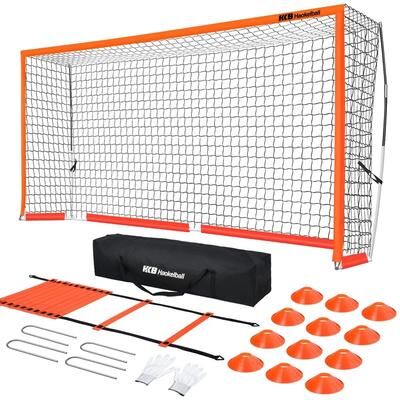
Haokelball 12x6ft Portable Soccer Goal with Agility Ladder & Cones – Quick Setup Backyard Soccer Net with Carry BagAbout this item ️ Robust Construction for Lasting Stability Built with sturdy support posts, flexible fiberglass poles, a reinforced steel base, and four ground stakes, this soccer goal delivers exceptional stability and durability for intense play111,05 $*Shipping: 0,00 $Secure redirect to the provider
-
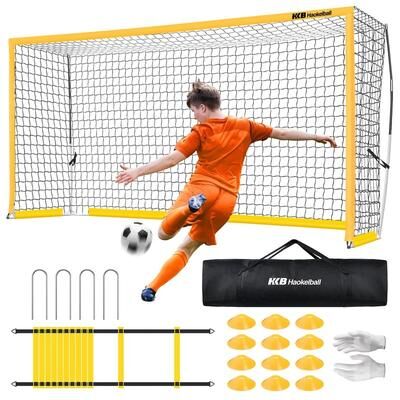
Haokelball Portable 12x6FT Soccer Goal Net Set – Carry Bag, Cones & Agility Ladder IncludedProduct Highlights Durable Frame Construction – Made of robust metal tubes and flexible fiber rods for structural integrity and impact cushioning Reinforced Net Material – Knotted anti-tear net extends product lifespan under regular use Enhanced…99,99 $*Shipping: 0,00 $Secure redirect to the provider
-
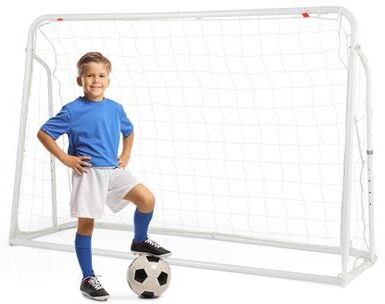
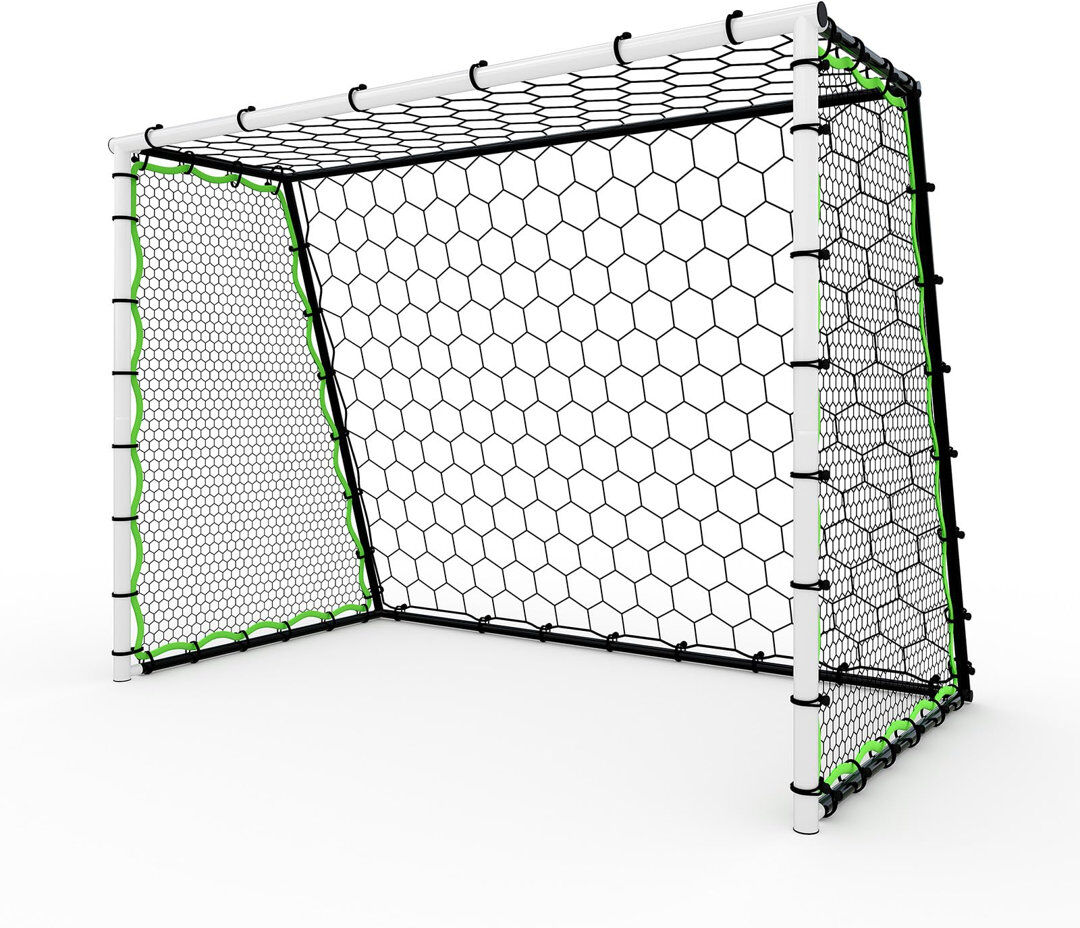
ZACOO 3-in-1 Soccer Rebounder Net 7x5ft, Large Football Goal Trainer with High, Low Shot Zones, Durable Steel Frame, for , Passing, Ball Control, Solo, TeamUpgrade your soccer training with this 3-in-1 Soccer Rebounder Net and Goal. Measuring 7x5ft, it features both high and low rebound zones to simulate real-game scenarios, boosting skills in , passing, and ball control. The sturdy steel construction ensures durability for powerful kicks and year-round use, while the quick-rebound net allows for non-stop, efficient practice. Whether you’re a beginner practicing at home or a seasoned player training with your team, this versatile trainer elevates every session. Stop chasing balls and start maximizing your performance—anytime, anywhere. ZACOO119,99 £*Shipping: 0,00 £Secure redirect to the provider

-
How can one represent plasticity without shimmering?
One way to represent plasticity without shimmering is to use matte finishes or textures that absorb light rather than reflect it. This can help create a more subtle and realistic representation of plasticity. Additionally, using soft and gradual transitions between colors or tones can help avoid the appearance of shimmering. Finally, paying attention to the lighting conditions and angles when capturing or rendering the plastic object can also help minimize shimmering and enhance the perception of plasticity. **
-
What is painted with plasticity in art?
In art, plasticity refers to the quality of being able to be molded or shaped. When something is painted with plasticity in art, it means that the artist has used techniques to create a sense of three-dimensionality, depth, and form in their work. This can be achieved through the use of light and shadow, texture, and the manipulation of the medium to create a sense of volume and movement in the artwork. Essentially, painting with plasticity allows the artist to create a sense of physical presence and depth in their work. **
-
What is the spatial depth of plasticity?
The spatial depth of plasticity refers to the extent to which changes in the brain's structure and function occur as a result of learning or experience. It encompasses the range of brain regions and neural networks that are involved in the process of plasticity. This can include changes at the level of individual neurons, as well as larger-scale changes in connectivity and organization across different brain regions. The spatial depth of plasticity is important for understanding how the brain adapts to new information and experiences, and for developing interventions to promote healthy brain function. **
-
What is the difference between spatiality and plasticity?
Spatiality refers to the physical dimensions and arrangement of objects or spaces in a given area, while plasticity refers to the ability of something to be molded, shaped, or changed. Spatiality is concerned with the actual layout and organization of physical elements, such as the distance between objects or the arrangement of rooms in a building. On the other hand, plasticity is about the flexibility and adaptability of a material or structure to be altered or reformed. In essence, spatiality deals with the existing physical space, while plasticity deals with the potential for change within that space. **


Why should IQ not be changeable if neural plasticity changes myelination and synaptic structure?
IQ should not be changeable simply because neural plasticity changes myelination and synaptic structure. While neural plasticity allows the brain to adapt and reorganize itself in response to learning and experiences, it does not necessarily result in a change in overall intelligence. IQ is a measure of a person's cognitive abilities and is influenced by a combination of genetic and environmental factors, which may not be easily altered through changes in neural plasticity alone. Additionally, IQ is a complex trait that is influenced by multiple factors beyond just neural plasticity, such as genetics, upbringing, and education. **
Why shouldn't IQ also be changeable if neural plasticity changes myelination and synaptic structure?
While neural plasticity does allow for changes in myelination and synaptic structure, it is important to note that IQ is a complex trait influenced by a combination of genetic and environmental factors. While it is true that the brain can change and adapt, there are limits to how much an individual's IQ can be altered. Additionally, IQ is a measure of cognitive abilities and is influenced by a wide range of factors beyond just neural plasticity, including genetics, early childhood experiences, and education. Therefore, while neural plasticity can certainly impact cognitive abilities, it is not the sole determinant of IQ and its changeability. **
Top-Angebote
Products related to Plasticity:
-
Haokelball 12x6ft Portable Soccer Goal with Agility Ladder & Cones – Quick Setup Backyard Soccer Net with Carry BagAbout this item ️ Robust Construction for Lasting Stability Built with sturdy support posts, flexible fiberglass poles, a reinforced steel base, and four ground stakes, this soccer goal delivers exceptional stability and durability for intense play111,05 $*Shipping: 0,00 $Secure redirect to the provider
-
What does plasticity mean?
Plasticity refers to the brain's ability to change and adapt in response to new experiences, learning, or injury. It is the brain's capacity to reorganize its structure, function, and connections in order to optimize performance and recover from damage. Plasticity allows the brain to form new neural pathways, strengthen existing connections, and even compensate for lost functions. This ability is crucial for learning, memory, and recovery from brain injuries. **
-
What does plasticity mean in architecture?
Plasticity in architecture refers to the ability of a material or structure to be molded, shaped, or manipulated in various ways to create different forms and designs. It allows architects to experiment with different shapes, textures, and configurations, leading to innovative and dynamic architectural solutions. Plasticity in architecture also enables buildings to adapt to different functions, environments, and user needs, making them more versatile and responsive. **
-
How can one represent plasticity without shimmering?
One way to represent plasticity without shimmering is to use matte finishes or textures that absorb light rather than reflect it. This can help create a more subtle and realistic representation of plasticity. Additionally, using soft and gradual transitions between colors or tones can help avoid the appearance of shimmering. Finally, paying attention to the lighting conditions and angles when capturing or rendering the plastic object can also help minimize shimmering and enhance the perception of plasticity. **
-
What is painted with plasticity in art?
In art, plasticity refers to the quality of being able to be molded or shaped. When something is painted with plasticity in art, it means that the artist has used techniques to create a sense of three-dimensionality, depth, and form in their work. This can be achieved through the use of light and shadow, texture, and the manipulation of the medium to create a sense of volume and movement in the artwork. Essentially, painting with plasticity allows the artist to create a sense of physical presence and depth in their work. **
Similar search terms for Plasticity
-
Haokelball Portable 12x6FT Soccer Goal Net Set – Carry Bag, Cones & Agility Ladder IncludedProduct Highlights Durable Frame Construction – Made of robust metal tubes and flexible fiber rods for structural integrity and impact cushioning Reinforced Net Material – Knotted anti-tear net extends product lifespan under regular use Enhanced…99,99 $*Shipping: 0,00 $Secure redirect to the provider
-
ZACOO 3-in-1 Soccer Rebounder Net 7x5ft, Large Football Goal Trainer with High, Low Shot Zones, Durable Steel Frame, for , Passing, Ball Control, Solo, TeamUpgrade your soccer training with this 3-in-1 Soccer Rebounder Net and Goal. Measuring 7x5ft, it features both high and low rebound zones to simulate real-game scenarios, boosting skills in , passing, and ball control. The sturdy steel construction ensures durability for powerful kicks and year-round use, while the quick-rebound net allows for non-stop, efficient practice. Whether you’re a beginner practicing at home or a seasoned player training with your team, this versatile trainer elevates every session. Stop chasing balls and start maximizing your performance—anytime, anywhere. ZACOO119,99 £*Shipping: 0,00 £Secure redirect to the provider
-
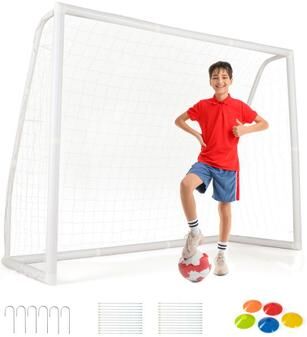
Costway 12 x 6 Feet Soccer Goal with Strong PVC Frame and High-Strength NettingThe soccer goal measures 12 x 4 x 6 ft (L x W x H) and only weighs 24.5 lbs, which is portable and lightweight for outdoor use, and you can install it anywhere you want.102,99 $*Shipping: 0,00 $Secure redirect to the provider
-
What is the spatial depth of plasticity?
The spatial depth of plasticity refers to the extent to which changes in the brain's structure and function occur as a result of learning or experience. It encompasses the range of brain regions and neural networks that are involved in the process of plasticity. This can include changes at the level of individual neurons, as well as larger-scale changes in connectivity and organization across different brain regions. The spatial depth of plasticity is important for understanding how the brain adapts to new information and experiences, and for developing interventions to promote healthy brain function. **
-
What is the difference between spatiality and plasticity?
Spatiality refers to the physical dimensions and arrangement of objects or spaces in a given area, while plasticity refers to the ability of something to be molded, shaped, or changed. Spatiality is concerned with the actual layout and organization of physical elements, such as the distance between objects or the arrangement of rooms in a building. On the other hand, plasticity is about the flexibility and adaptability of a material or structure to be altered or reformed. In essence, spatiality deals with the existing physical space, while plasticity deals with the potential for change within that space. **
-
Why should IQ not be changeable if neural plasticity changes myelination and synaptic structure?
IQ should not be changeable simply because neural plasticity changes myelination and synaptic structure. While neural plasticity allows the brain to adapt and reorganize itself in response to learning and experiences, it does not necessarily result in a change in overall intelligence. IQ is a measure of a person's cognitive abilities and is influenced by a combination of genetic and environmental factors, which may not be easily altered through changes in neural plasticity alone. Additionally, IQ is a complex trait that is influenced by multiple factors beyond just neural plasticity, such as genetics, upbringing, and education. **
-
Why shouldn't IQ also be changeable if neural plasticity changes myelination and synaptic structure?
While neural plasticity does allow for changes in myelination and synaptic structure, it is important to note that IQ is a complex trait influenced by a combination of genetic and environmental factors. While it is true that the brain can change and adapt, there are limits to how much an individual's IQ can be altered. Additionally, IQ is a measure of cognitive abilities and is influenced by a wide range of factors beyond just neural plasticity, including genetics, early childhood experiences, and education. Therefore, while neural plasticity can certainly impact cognitive abilities, it is not the sole determinant of IQ and its changeability. **
* All prices are inclusive of VAT and, if applicable, plus shipping costs. The offer information is based on the details provided by the respective shop and is updated through automated processes. Real-time updates do not occur, so deviations can occur in individual cases. ** Note: Parts of this content were created by AI.