Buy womensfootball.eu ?
We are moving the project
womensfootball.eu .
Are you interested in purchasing the domain
womensfootball.eu ?
domain@kv-gmbh.de · 0541-91531010
Buy womensfootball.eu ?
Why was Ovid exiled?
Ovid was exiled by the Roman Emperor Augustus in 8 AD for reasons that remain unclear. Some theories suggest that Ovid may have offended Augustus with his poetry, particularly in his work "Ars Amatoria," which was seen as promoting adultery and immorality. Another theory is that Ovid may have been privy to a scandal involving Augustus' granddaughter, Julia, and her subsequent banishment, leading to his own exile as a precaution. Ultimately, the true reason for Ovid's exile remains a mystery. **
How do you scan Ovid?
To scan Ovid, one should start by reading the text aloud to identify the meter and rhythm. Pay attention to the pattern of stressed and unstressed syllables to determine the metrical structure. Look for recurring patterns such as iambs or dactyls, and mark the stresses accordingly. Practice reading the text with the correct stress and rhythm to fully understand the poetic form and appreciate the musicality of Ovid's writing. **


Similar search terms for Ovid
Top-Angebote
Products related to Ovid:
-
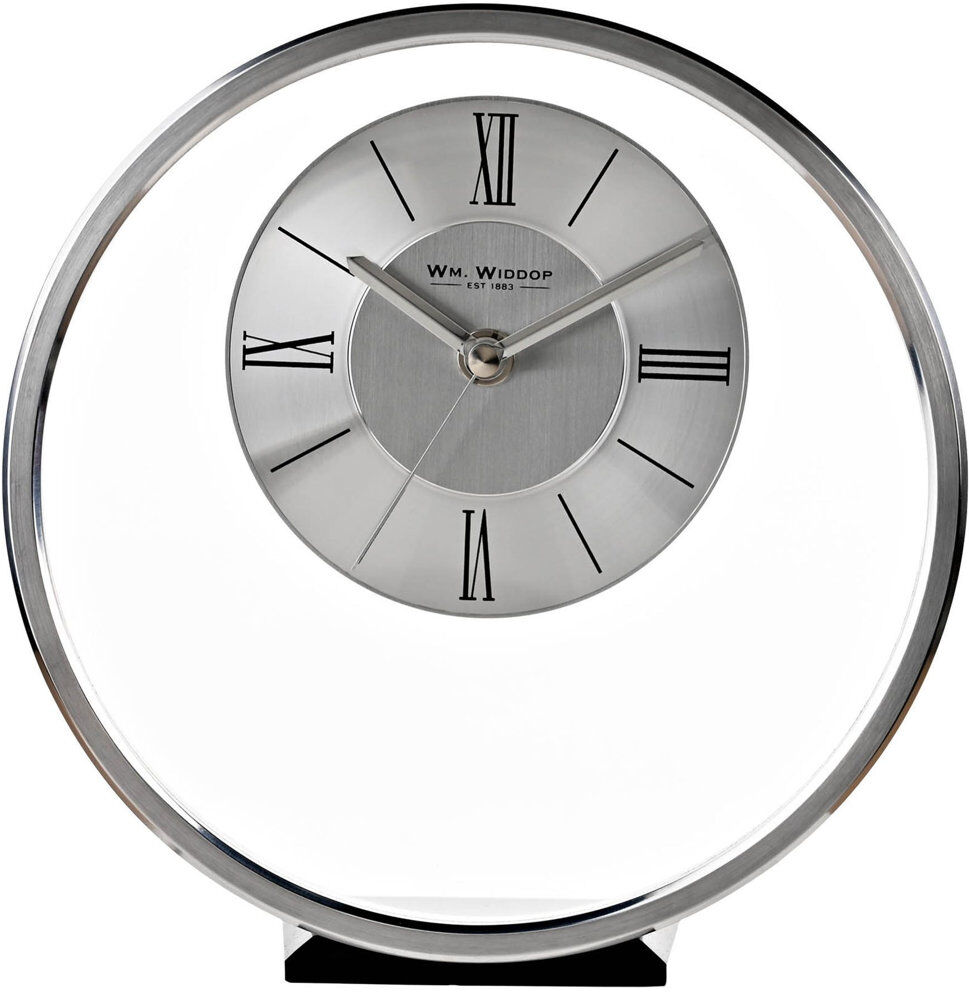
Astoria Grand Ovid Metal Mantel Clock Silver 20.5cm H X 20cm W X 6cm DA round gold mantel clock. This traditional clock design creates a versatile timepiece to complement any home. Indeed, the craftsmanship of this mantel clock makes it a beautiful focal point for any mantelpiece or cabinet table. Astoria Grand Colour: Silver50,99 £*Shipping: 4,99 £Secure redirect to the provider



-
Can you translate Latin Ovid texts?
Yes, I can help translate Latin Ovid texts. Ovid was a Roman poet known for his works such as "Metamorphoses" and "Amores." I am proficient in Latin and can provide accurate translations of his texts. Just provide me with the specific text you need translated, and I will be happy to assist you. **
-
Which stylistic devices did Ovid use?
Ovid used a variety of stylistic devices in his works, including vivid imagery, metaphor, simile, and personification. He also employed irony, allusion, and wordplay to create depth and complexity in his writing. Ovid's use of repetition, rhythm, and sound devices like alliteration and assonance added musicality to his poetry, making it memorable and engaging for his audience. Overall, Ovid's skillful use of these stylistic devices contributed to the richness and beauty of his work. **
-
What is the intention of Ovid?
Ovid's intention in writing his epic poem "Metamorphoses" was to provide a comprehensive account of Greek and Roman mythology through the theme of transformation. By exploring the various myths of gods, heroes, and mortals undergoing metamorphoses, Ovid aimed to showcase the power of change and the consequences of human actions. Through his vivid storytelling and poetic language, Ovid sought to entertain, educate, and reflect on the complexities of the human experience. **
-
What is the epilogue of Ovid?
The epilogue of Ovid's "Metamorphoses" serves as a conclusion to the epic poem, summarizing the themes and lessons learned throughout the various myths and transformations. In the epilogue, Ovid calls upon his readers to continue telling stories and spreading knowledge, emphasizing the power of storytelling and the enduring nature of his work. The epilogue also reflects on the cyclical nature of life and the inevitability of change, echoing the central themes of transformation and metamorphosis that run throughout the entire poem. **


What stylistic devices did Ovid use?
Ovid used a variety of stylistic devices in his works, including vivid imagery, metaphor, simile, and personification. He also employed wordplay, alliteration, and repetition to create rhythm and emphasis in his poetry. Ovid's use of mythological allusions and storytelling techniques added depth and complexity to his narratives, making his works engaging and memorable for readers. **
What are vocabulary words from Ovid?
Some vocabulary words from Ovid's works include "metamorphosis," which refers to a transformation or change in form; "mythology," which is the study of myths and legends; "nymph," a nature spirit often depicted as a beautiful maiden; "deity," a god or goddess; and "hubris," excessive pride or arrogance. These words are commonly found in Ovid's epic poem "Metamorphoses," which is a rich source of mythological tales and literary vocabulary. **
Top-Angebote
Products related to Ovid:
-
Astoria Grand Ovid Metal Mantel Clock Gold 20.5cm H X 20cm W X 6cm DA round gold mantel clock. This traditional clock design creates a versatile timepiece to complement any home. Indeed, the craftsmanship of this mantel clock makes it a beautiful focal point for any mantelpiece or cabinet table. Astoria Grand Colour: Gold50,99 £*Shipping: 4,99 £Secure redirect to the provider
-
Astoria Grand Ovid Metal Mantel Clock Silver 20.5cm H X 20cm W X 6cm DA round gold mantel clock. This traditional clock design creates a versatile timepiece to complement any home. Indeed, the craftsmanship of this mantel clock makes it a beautiful focal point for any mantelpiece or cabinet table. Astoria Grand Colour: Silver50,99 £*Shipping: 4,99 £Secure redirect to the provider
-
Why was Ovid exiled?
Ovid was exiled by the Roman Emperor Augustus in 8 AD for reasons that remain unclear. Some theories suggest that Ovid may have offended Augustus with his poetry, particularly in his work "Ars Amatoria," which was seen as promoting adultery and immorality. Another theory is that Ovid may have been privy to a scandal involving Augustus' granddaughter, Julia, and her subsequent banishment, leading to his own exile as a precaution. Ultimately, the true reason for Ovid's exile remains a mystery. **
-
How do you scan Ovid?
To scan Ovid, one should start by reading the text aloud to identify the meter and rhythm. Pay attention to the pattern of stressed and unstressed syllables to determine the metrical structure. Look for recurring patterns such as iambs or dactyls, and mark the stresses accordingly. Practice reading the text with the correct stress and rhythm to fully understand the poetic form and appreciate the musicality of Ovid's writing. **
-
Can you translate Latin Ovid texts?
Yes, I can help translate Latin Ovid texts. Ovid was a Roman poet known for his works such as "Metamorphoses" and "Amores." I am proficient in Latin and can provide accurate translations of his texts. Just provide me with the specific text you need translated, and I will be happy to assist you. **
-
Which stylistic devices did Ovid use?
Ovid used a variety of stylistic devices in his works, including vivid imagery, metaphor, simile, and personification. He also employed irony, allusion, and wordplay to create depth and complexity in his writing. Ovid's use of repetition, rhythm, and sound devices like alliteration and assonance added musicality to his poetry, making it memorable and engaging for his audience. Overall, Ovid's skillful use of these stylistic devices contributed to the richness and beauty of his work. **
Similar search terms for Ovid
-
What is the intention of Ovid?
Ovid's intention in writing his epic poem "Metamorphoses" was to provide a comprehensive account of Greek and Roman mythology through the theme of transformation. By exploring the various myths of gods, heroes, and mortals undergoing metamorphoses, Ovid aimed to showcase the power of change and the consequences of human actions. Through his vivid storytelling and poetic language, Ovid sought to entertain, educate, and reflect on the complexities of the human experience. **
-
What is the epilogue of Ovid?
The epilogue of Ovid's "Metamorphoses" serves as a conclusion to the epic poem, summarizing the themes and lessons learned throughout the various myths and transformations. In the epilogue, Ovid calls upon his readers to continue telling stories and spreading knowledge, emphasizing the power of storytelling and the enduring nature of his work. The epilogue also reflects on the cyclical nature of life and the inevitability of change, echoing the central themes of transformation and metamorphosis that run throughout the entire poem. **
-
What stylistic devices did Ovid use?
Ovid used a variety of stylistic devices in his works, including vivid imagery, metaphor, simile, and personification. He also employed wordplay, alliteration, and repetition to create rhythm and emphasis in his poetry. Ovid's use of mythological allusions and storytelling techniques added depth and complexity to his narratives, making his works engaging and memorable for readers. **
-
What are vocabulary words from Ovid?
Some vocabulary words from Ovid's works include "metamorphosis," which refers to a transformation or change in form; "mythology," which is the study of myths and legends; "nymph," a nature spirit often depicted as a beautiful maiden; "deity," a god or goddess; and "hubris," excessive pride or arrogance. These words are commonly found in Ovid's epic poem "Metamorphoses," which is a rich source of mythological tales and literary vocabulary. **
* All prices are inclusive of VAT and, if applicable, plus shipping costs. The offer information is based on the details provided by the respective shop and is updated through automated processes. Real-time updates do not occur, so deviations can occur in individual cases. ** Note: Parts of this content were created by AI.