Buy womensfootball.eu ?
We are moving the project
womensfootball.eu .
Are you interested in purchasing the domain
womensfootball.eu ?
domain@kv-gmbh.de · 0541-91531010
Buy womensfootball.eu ?
Can isotopes occur naturally?
Yes, isotopes can occur naturally. Isotopes are variants of a particular chemical element that have the same number of protons but different numbers of neutrons. Many elements have naturally occurring isotopes, and they can be found in various proportions in nature. For example, carbon has three naturally occurring isotopes: carbon-12, carbon-13, and carbon-14. These isotopes are formed through natural processes such as radioactive decay and nuclear reactions. **
How do neutrons enter isotopes?
Neutrons enter isotopes through a process called neutron capture. Neutron capture occurs when a neutron is absorbed by the nucleus of an atom, resulting in the formation of a new isotope. This process can change the atomic mass of the isotope without affecting its chemical properties. Neutron capture plays a crucial role in nuclear reactions and the formation of heavy elements in stars. **


Similar search terms for Isotopes
Top-Angebote
Products related to Isotopes:
-
Haokelball 12x6ft Portable Soccer Goal with Agility Ladder & Cones – Quick Setup Backyard Soccer Net with Carry BagAbout this item ️ Robust Construction for Lasting Stability Built with sturdy support posts, flexible fiberglass poles, a reinforced steel base, and four ground stakes, this soccer goal delivers exceptional stability and durability for intense play111,05 $*Shipping: 0,00 $Secure redirect to the provider
-
Haokelball Portable 12x6FT Soccer Goal Net Set – Carry Bag, Cones & Agility Ladder IncludedProduct Highlights Durable Frame Construction – Made of robust metal tubes and flexible fiber rods for structural integrity and impact cushioning Reinforced Net Material – Knotted anti-tear net extends product lifespan under regular use Enhanced…99,99 $*Shipping: 0,00 $Secure redirect to the provider
-
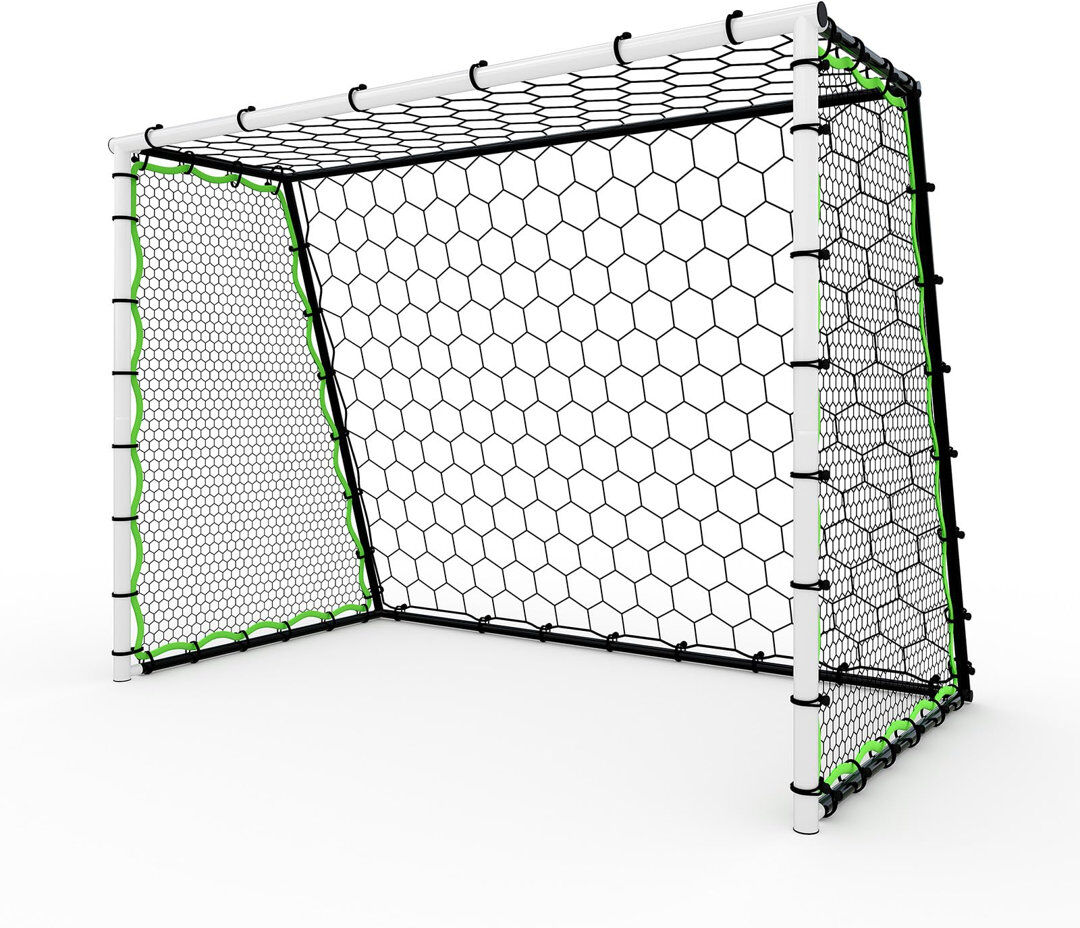
ZACOO 3-in-1 Soccer Rebounder Net 7x5ft, Large Football Goal Trainer with High, Low Shot Zones, Durable Steel Frame, for , Passing, Ball Control, Solo, TeamUpgrade your soccer training with this 3-in-1 Soccer Rebounder Net and Goal. Measuring 7x5ft, it features both high and low rebound zones to simulate real-game scenarios, boosting skills in , passing, and ball control. The sturdy steel construction ensures durability for powerful kicks and year-round use, while the quick-rebound net allows for non-stop, efficient practice. Whether you’re a beginner practicing at home or a seasoned player training with your team, this versatile trainer elevates every session. Stop chasing balls and start maximizing your performance—anytime, anywhere. ZACOO119,99 £*Shipping: 0,00 £Secure redirect to the provider



-
What are isotopes in chemistry?
Isotopes are atoms of the same element that have the same number of protons but different numbers of neutrons. This means that isotopes have the same atomic number but different atomic masses. For example, carbon-12 and carbon-14 are isotopes of carbon. Isotopes can have different physical properties, such as different atomic masses, but they have similar chemical properties because they have the same number of protons and electrons. **
-
How do radioactive isotopes decay?
Radioactive isotopes decay through the process of emitting radiation in the form of alpha particles, beta particles, or gamma rays. This emission of radiation occurs as the unstable nucleus of the isotope seeks to reach a more stable state. The type of decay that occurs depends on the specific isotope and its atomic structure. Over time, the decay process transforms the original isotope into a different element or a different isotope of the same element. **
-
Are there isotopes, yes or no?
Yes, there are isotopes. Isotopes are atoms of the same element that have the same number of protons but different numbers of neutrons. This results in variations in atomic mass for a given element. **
-
What are the three carbon isotopes?
The three carbon isotopes are carbon-12, carbon-13, and carbon-14. Carbon-12 is the most abundant and stable isotope, making up about 98.9% of all carbon atoms. Carbon-13 is a stable isotope, making up about 1.1% of all carbon atoms. Carbon-14 is a radioactive isotope with a half-life of about 5,730 years and is used in radiocarbon dating to determine the age of organic materials. **


What are the properties of isotopes?
Isotopes are atoms of the same element that have the same number of protons but different numbers of neutrons. This means that isotopes have the same chemical properties, but different physical properties due to their different atomic masses. Isotopes of an element have similar chemical behavior because they have the same number of electrons and therefore the same electron configuration. Isotopes are used in a variety of applications, including carbon dating, medical imaging, and nuclear power. **
How do radioactive isotopes decay exponentially?
Radioactive isotopes decay exponentially because the rate of decay is proportional to the amount of the isotope present. This means that as time goes on, the amount of the isotope decreases at an increasingly rapid rate. The decay is described by the exponential decay equation, which shows that the amount of the isotope remaining decreases by a constant fraction over equal intervals of time. This exponential decay behavior allows scientists to predict the amount of a radioactive isotope remaining at any given time. **
Top-Angebote
Products related to Isotopes:
-
Haokelball 12x6ft Portable Soccer Goal with Agility Ladder & Cones – Quick Setup Backyard Soccer Net with Carry BagAbout this item ️ Robust Construction for Lasting Stability Built with sturdy support posts, flexible fiberglass poles, a reinforced steel base, and four ground stakes, this soccer goal delivers exceptional stability and durability for intense play111,05 $*Shipping: 0,00 $Secure redirect to the provider
-
Can isotopes occur naturally?
Yes, isotopes can occur naturally. Isotopes are variants of a particular chemical element that have the same number of protons but different numbers of neutrons. Many elements have naturally occurring isotopes, and they can be found in various proportions in nature. For example, carbon has three naturally occurring isotopes: carbon-12, carbon-13, and carbon-14. These isotopes are formed through natural processes such as radioactive decay and nuclear reactions. **
-
How do neutrons enter isotopes?
Neutrons enter isotopes through a process called neutron capture. Neutron capture occurs when a neutron is absorbed by the nucleus of an atom, resulting in the formation of a new isotope. This process can change the atomic mass of the isotope without affecting its chemical properties. Neutron capture plays a crucial role in nuclear reactions and the formation of heavy elements in stars. **
-
What are isotopes in chemistry?
Isotopes are atoms of the same element that have the same number of protons but different numbers of neutrons. This means that isotopes have the same atomic number but different atomic masses. For example, carbon-12 and carbon-14 are isotopes of carbon. Isotopes can have different physical properties, such as different atomic masses, but they have similar chemical properties because they have the same number of protons and electrons. **
-
How do radioactive isotopes decay?
Radioactive isotopes decay through the process of emitting radiation in the form of alpha particles, beta particles, or gamma rays. This emission of radiation occurs as the unstable nucleus of the isotope seeks to reach a more stable state. The type of decay that occurs depends on the specific isotope and its atomic structure. Over time, the decay process transforms the original isotope into a different element or a different isotope of the same element. **
Similar search terms for Isotopes
-
Haokelball Portable 12x6FT Soccer Goal Net Set – Carry Bag, Cones & Agility Ladder IncludedProduct Highlights Durable Frame Construction – Made of robust metal tubes and flexible fiber rods for structural integrity and impact cushioning Reinforced Net Material – Knotted anti-tear net extends product lifespan under regular use Enhanced…99,99 $*Shipping: 0,00 $Secure redirect to the provider
-
ZACOO 3-in-1 Soccer Rebounder Net 7x5ft, Large Football Goal Trainer with High, Low Shot Zones, Durable Steel Frame, for , Passing, Ball Control, Solo, TeamUpgrade your soccer training with this 3-in-1 Soccer Rebounder Net and Goal. Measuring 7x5ft, it features both high and low rebound zones to simulate real-game scenarios, boosting skills in , passing, and ball control. The sturdy steel construction ensures durability for powerful kicks and year-round use, while the quick-rebound net allows for non-stop, efficient practice. Whether you’re a beginner practicing at home or a seasoned player training with your team, this versatile trainer elevates every session. Stop chasing balls and start maximizing your performance—anytime, anywhere. ZACOO119,99 £*Shipping: 0,00 £Secure redirect to the provider
-
Costway 12 x 6 Feet Soccer Goal with Strong PVC Frame and High-Strength NettingThe soccer goal measures 12 x 4 x 6 ft (L x W x H) and only weighs 24.5 lbs, which is portable and lightweight for outdoor use, and you can install it anywhere you want.102,99 $*Shipping: 0,00 $Secure redirect to the provider
-
Are there isotopes, yes or no?
Yes, there are isotopes. Isotopes are atoms of the same element that have the same number of protons but different numbers of neutrons. This results in variations in atomic mass for a given element. **
-
What are the three carbon isotopes?
The three carbon isotopes are carbon-12, carbon-13, and carbon-14. Carbon-12 is the most abundant and stable isotope, making up about 98.9% of all carbon atoms. Carbon-13 is a stable isotope, making up about 1.1% of all carbon atoms. Carbon-14 is a radioactive isotope with a half-life of about 5,730 years and is used in radiocarbon dating to determine the age of organic materials. **
-
What are the properties of isotopes?
Isotopes are atoms of the same element that have the same number of protons but different numbers of neutrons. This means that isotopes have the same chemical properties, but different physical properties due to their different atomic masses. Isotopes of an element have similar chemical behavior because they have the same number of electrons and therefore the same electron configuration. Isotopes are used in a variety of applications, including carbon dating, medical imaging, and nuclear power. **
-
How do radioactive isotopes decay exponentially?
Radioactive isotopes decay exponentially because the rate of decay is proportional to the amount of the isotope present. This means that as time goes on, the amount of the isotope decreases at an increasingly rapid rate. The decay is described by the exponential decay equation, which shows that the amount of the isotope remaining decreases by a constant fraction over equal intervals of time. This exponential decay behavior allows scientists to predict the amount of a radioactive isotope remaining at any given time. **
* All prices are inclusive of VAT and, if applicable, plus shipping costs. The offer information is based on the details provided by the respective shop and is updated through automated processes. Real-time updates do not occur, so deviations can occur in individual cases. ** Note: Parts of this content were created by AI.