Buy womensfootball.eu ?
We are moving the project
womensfootball.eu .
Are you interested in purchasing the domain
womensfootball.eu ?
domain@kv-gmbh.de · 0541-91531010
Buy womensfootball.eu ?
Are muscle flashcards for crunches isometric, concentric, or eccentric?
Muscle flashcards for crunches would primarily focus on the concentric phase of the exercise. This is when the muscle contracts and shortens, such as when you lift your upper body off the ground during a crunch. Isometric exercises involve holding a static position, while eccentric exercises involve the lengthening of the muscle. **
How do I draw an isometric view of it?
To draw an isometric view of an object, you need to first understand the concept of isometric projection, which involves drawing the object from a 30-degree angle. Start by drawing a horizontal line, then draw two lines at 30-degree angles from the ends of the horizontal line. These lines will serve as the basis for the three-dimensional shape. Next, draw the vertical lines to connect the ends of the angled lines, creating a three-dimensional box. Finally, add in any details or features of the object to complete the isometric view. **
Similar search terms for Isometric
Top-Angebote
Products related to Isometric:
-
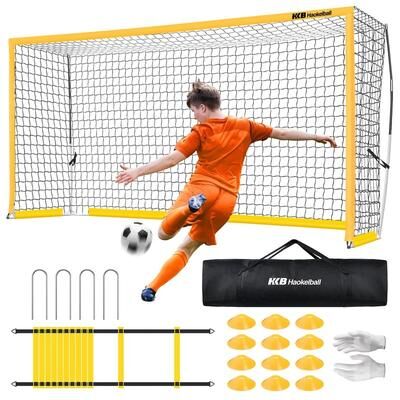
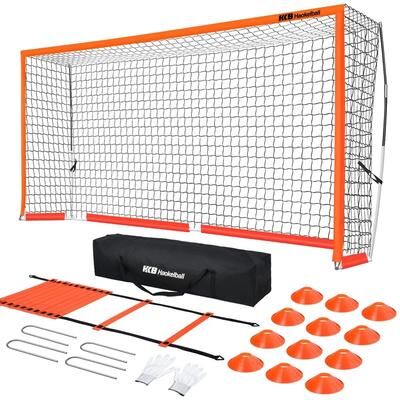
Haokelball 12x6ft Portable Soccer Goal with Agility Ladder & Cones – Quick Setup Backyard Soccer Net with Carry BagAbout this item ️ Robust Construction for Lasting Stability Built with sturdy support posts, flexible fiberglass poles, a reinforced steel base, and four ground stakes, this soccer goal delivers exceptional stability and durability for intense play111,05 $*Shipping: 0,00 $Secure redirect to the provider
-
Haokelball Portable 12x6FT Soccer Goal Net Set – Carry Bag, Cones & Agility Ladder IncludedProduct Highlights Durable Frame Construction – Made of robust metal tubes and flexible fiber rods for structural integrity and impact cushioning Reinforced Net Material – Knotted anti-tear net extends product lifespan under regular use Enhanced…99,99 $*Shipping: 0,00 $Secure redirect to the provider
-
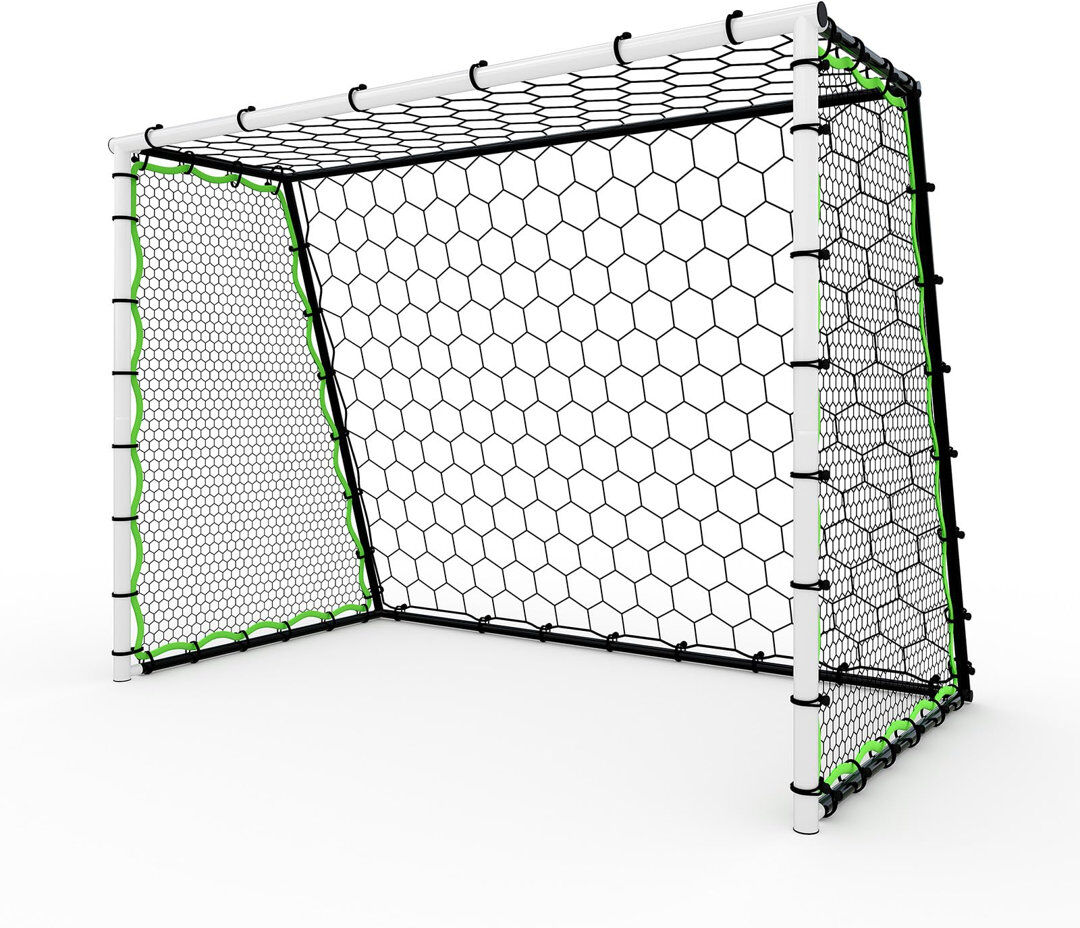
ZACOO 3-in-1 Soccer Rebounder Net 7x5ft, Large Football Goal Trainer with High, Low Shot Zones, Durable Steel Frame, for , Passing, Ball Control, Solo, TeamUpgrade your soccer training with this 3-in-1 Soccer Rebounder Net and Goal. Measuring 7x5ft, it features both high and low rebound zones to simulate real-game scenarios, boosting skills in , passing, and ball control. The sturdy steel construction ensures durability for powerful kicks and year-round use, while the quick-rebound net allows for non-stop, efficient practice. Whether you’re a beginner practicing at home or a seasoned player training with your team, this versatile trainer elevates every session. Stop chasing balls and start maximizing your performance—anytime, anywhere. ZACOO119,99 £*Shipping: 0,00 £Secure redirect to the provider

-
How do I draw the cuboid in isometric view?
To draw a cuboid in isometric view, start by drawing a square as the base of the cuboid. Then, draw two lines extending upwards from two opposite corners of the square at a 30-degree angle. Connect the top of these lines with parallel lines to complete the top face of the cuboid. Finally, connect the corresponding corners of the base and top faces with vertical lines to create the sides of the cuboid. Make sure to maintain the same 30-degree angle for all lines to achieve the isometric view. **
-
Can someone show me the isometric representation of this?
Sure, an isometric representation is a 3D drawing that shows an object from a specific angle to give a sense of depth and dimension. It is often used in technical drawings and design to provide a more realistic view of an object. To create an isometric representation of something, you would typically need to use specialized software or have a skilled artist create a hand-drawn version. If you have a specific object in mind, you may want to provide more details so that someone can create an accurate isometric representation for you. **
-
How can one complete an isometric representation with 3 panels?
To complete an isometric representation with 3 panels, one can start by sketching out the basic isometric view of the object on the first panel. Then, on the second panel, draw the object from a different angle to show more details and dimensions. Finally, on the third panel, add any additional views or close-up details to provide a comprehensive representation of the object from all angles. This approach allows for a more thorough and informative depiction of the object in an isometric view. **
-
How do I draw an isometric view of this triangle?
To draw an isometric view of a triangle, start by drawing the three sides of the triangle as three parallel lines. Then, draw the height of the triangle from the base to the opposite vertex. Next, draw the two remaining sides of the triangle to complete the isometric view. Make sure to maintain the 120-degree angles between the sides to accurately represent the triangle in isometric projection. **

Are muscle learning cards for crunches isometric, concentric, or eccentric?
Muscle learning cards for crunches would primarily focus on the concentric phase of the exercise. The concentric phase is when the muscle contracts and shortens, such as when you lift your upper body off the ground during a crunch. Isometric exercises involve holding a static position, while eccentric exercises involve the lengthening of the muscle. While there may be some isometric and eccentric components to a crunch, muscle learning cards for crunches would likely emphasize the concentric phase as it is the primary movement in this exercise. **
How do you correctly draw an isometric view of a body?
To correctly draw an isometric view of a body, start by drawing the three main axes at 120-degree angles to each other. Then, sketch the basic shape of the body using parallel lines that are equally spaced apart to represent the three dimensions. Make sure to maintain the proportions and angles accurately to create a realistic representation of the body in isometric view. Finally, add details and shading to enhance the three-dimensional effect of the drawing. **
Top-Angebote
Products related to Isometric:
-
Haokelball 12x6ft Portable Soccer Goal with Agility Ladder & Cones – Quick Setup Backyard Soccer Net with Carry BagAbout this item ️ Robust Construction for Lasting Stability Built with sturdy support posts, flexible fiberglass poles, a reinforced steel base, and four ground stakes, this soccer goal delivers exceptional stability and durability for intense play111,05 $*Shipping: 0,00 $Secure redirect to the provider
-
Are muscle flashcards for crunches isometric, concentric, or eccentric?
Muscle flashcards for crunches would primarily focus on the concentric phase of the exercise. This is when the muscle contracts and shortens, such as when you lift your upper body off the ground during a crunch. Isometric exercises involve holding a static position, while eccentric exercises involve the lengthening of the muscle. **
-
How do I draw an isometric view of it?
To draw an isometric view of an object, you need to first understand the concept of isometric projection, which involves drawing the object from a 30-degree angle. Start by drawing a horizontal line, then draw two lines at 30-degree angles from the ends of the horizontal line. These lines will serve as the basis for the three-dimensional shape. Next, draw the vertical lines to connect the ends of the angled lines, creating a three-dimensional box. Finally, add in any details or features of the object to complete the isometric view. **
-
How do I draw the cuboid in isometric view?
To draw a cuboid in isometric view, start by drawing a square as the base of the cuboid. Then, draw two lines extending upwards from two opposite corners of the square at a 30-degree angle. Connect the top of these lines with parallel lines to complete the top face of the cuboid. Finally, connect the corresponding corners of the base and top faces with vertical lines to create the sides of the cuboid. Make sure to maintain the same 30-degree angle for all lines to achieve the isometric view. **
-
Can someone show me the isometric representation of this?
Sure, an isometric representation is a 3D drawing that shows an object from a specific angle to give a sense of depth and dimension. It is often used in technical drawings and design to provide a more realistic view of an object. To create an isometric representation of something, you would typically need to use specialized software or have a skilled artist create a hand-drawn version. If you have a specific object in mind, you may want to provide more details so that someone can create an accurate isometric representation for you. **
Similar search terms for Isometric
-
Haokelball Portable 12x6FT Soccer Goal Net Set – Carry Bag, Cones & Agility Ladder IncludedProduct Highlights Durable Frame Construction – Made of robust metal tubes and flexible fiber rods for structural integrity and impact cushioning Reinforced Net Material – Knotted anti-tear net extends product lifespan under regular use Enhanced…99,99 $*Shipping: 0,00 $Secure redirect to the provider
-
ZACOO 3-in-1 Soccer Rebounder Net 7x5ft, Large Football Goal Trainer with High, Low Shot Zones, Durable Steel Frame, for , Passing, Ball Control, Solo, TeamUpgrade your soccer training with this 3-in-1 Soccer Rebounder Net and Goal. Measuring 7x5ft, it features both high and low rebound zones to simulate real-game scenarios, boosting skills in , passing, and ball control. The sturdy steel construction ensures durability for powerful kicks and year-round use, while the quick-rebound net allows for non-stop, efficient practice. Whether you’re a beginner practicing at home or a seasoned player training with your team, this versatile trainer elevates every session. Stop chasing balls and start maximizing your performance—anytime, anywhere. ZACOO119,99 £*Shipping: 0,00 £Secure redirect to the provider
-
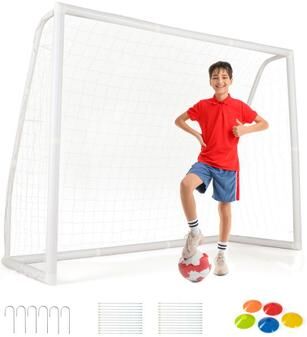
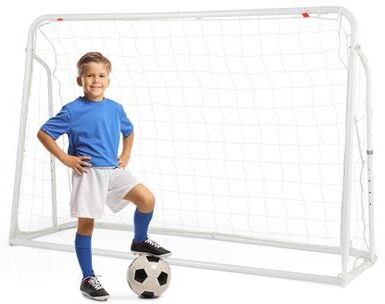
Costway 12 x 6 Feet Soccer Goal with Strong PVC Frame and High-Strength NettingThe soccer goal measures 12 x 4 x 6 ft (L x W x H) and only weighs 24.5 lbs, which is portable and lightweight for outdoor use, and you can install it anywhere you want.102,99 $*Shipping: 0,00 $Secure redirect to the provider
-
How can one complete an isometric representation with 3 panels?
To complete an isometric representation with 3 panels, one can start by sketching out the basic isometric view of the object on the first panel. Then, on the second panel, draw the object from a different angle to show more details and dimensions. Finally, on the third panel, add any additional views or close-up details to provide a comprehensive representation of the object from all angles. This approach allows for a more thorough and informative depiction of the object in an isometric view. **
-
How do I draw an isometric view of this triangle?
To draw an isometric view of a triangle, start by drawing the three sides of the triangle as three parallel lines. Then, draw the height of the triangle from the base to the opposite vertex. Next, draw the two remaining sides of the triangle to complete the isometric view. Make sure to maintain the 120-degree angles between the sides to accurately represent the triangle in isometric projection. **
-
Are muscle learning cards for crunches isometric, concentric, or eccentric?
Muscle learning cards for crunches would primarily focus on the concentric phase of the exercise. The concentric phase is when the muscle contracts and shortens, such as when you lift your upper body off the ground during a crunch. Isometric exercises involve holding a static position, while eccentric exercises involve the lengthening of the muscle. While there may be some isometric and eccentric components to a crunch, muscle learning cards for crunches would likely emphasize the concentric phase as it is the primary movement in this exercise. **
-
How do you correctly draw an isometric view of a body?
To correctly draw an isometric view of a body, start by drawing the three main axes at 120-degree angles to each other. Then, sketch the basic shape of the body using parallel lines that are equally spaced apart to represent the three dimensions. Make sure to maintain the proportions and angles accurately to create a realistic representation of the body in isometric view. Finally, add details and shading to enhance the three-dimensional effect of the drawing. **
* All prices are inclusive of VAT and, if applicable, plus shipping costs. The offer information is based on the details provided by the respective shop and is updated through automated processes. Real-time updates do not occur, so deviations can occur in individual cases. ** Note: Parts of this content were created by AI.