Buy womensfootball.eu ?
We are moving the project
womensfootball.eu .
Are you interested in purchasing the domain
womensfootball.eu ?
domain@kv-gmbh.de · 0541-91531010
Buy womensfootball.eu ?
What is the difference between damping factor and damping mass?
Damping factor is a measure of how effectively a system can dissipate energy, and it is typically represented as a ratio of the actual damping in a system to the critical damping. Damping mass, on the other hand, refers to the mass that is used to dissipate energy in a system, such as in a vibration damping system. In other words, damping factor is a measure of the effectiveness of the damping in a system, while damping mass is the physical mass that is used to provide damping in a system. **
What is the damping factor?
The damping factor is a parameter used in engineering and physics to describe the rate at which oscillations in a system decay over time. It is a measure of how quickly the system returns to equilibrium after being disturbed. A higher damping factor indicates faster decay of oscillations, leading to a quicker stabilization of the system. In contrast, a lower damping factor results in slower decay of oscillations, potentially leading to prolonged oscillations or even instability in the system. **

Similar search terms for Damping
Top-Angebote
Products related to Damping:
-
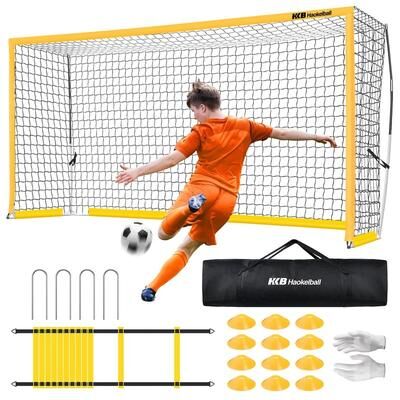
Haokelball 12x6ft Portable Soccer Goal with Agility Ladder & Cones – Quick Setup Backyard Soccer Net with Carry BagAbout this item ️ Robust Construction for Lasting Stability Built with sturdy support posts, flexible fiberglass poles, a reinforced steel base, and four ground stakes, this soccer goal delivers exceptional stability and durability for intense play111,05 $*Shipping: 0,00 $Secure redirect to the provider
-
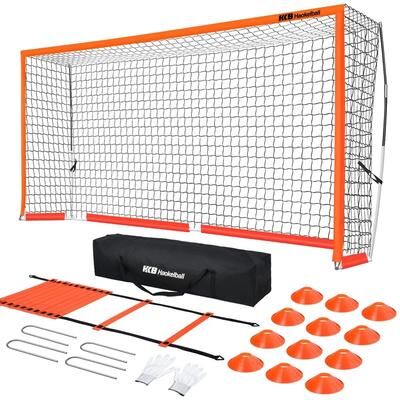
Haokelball Portable 12x6FT Soccer Goal Net Set – Carry Bag, Cones & Agility Ladder IncludedProduct Highlights Durable Frame Construction – Made of robust metal tubes and flexible fiber rods for structural integrity and impact cushioning Reinforced Net Material – Knotted anti-tear net extends product lifespan under regular use Enhanced…99,99 $*Shipping: 0,00 $Secure redirect to the provider
-
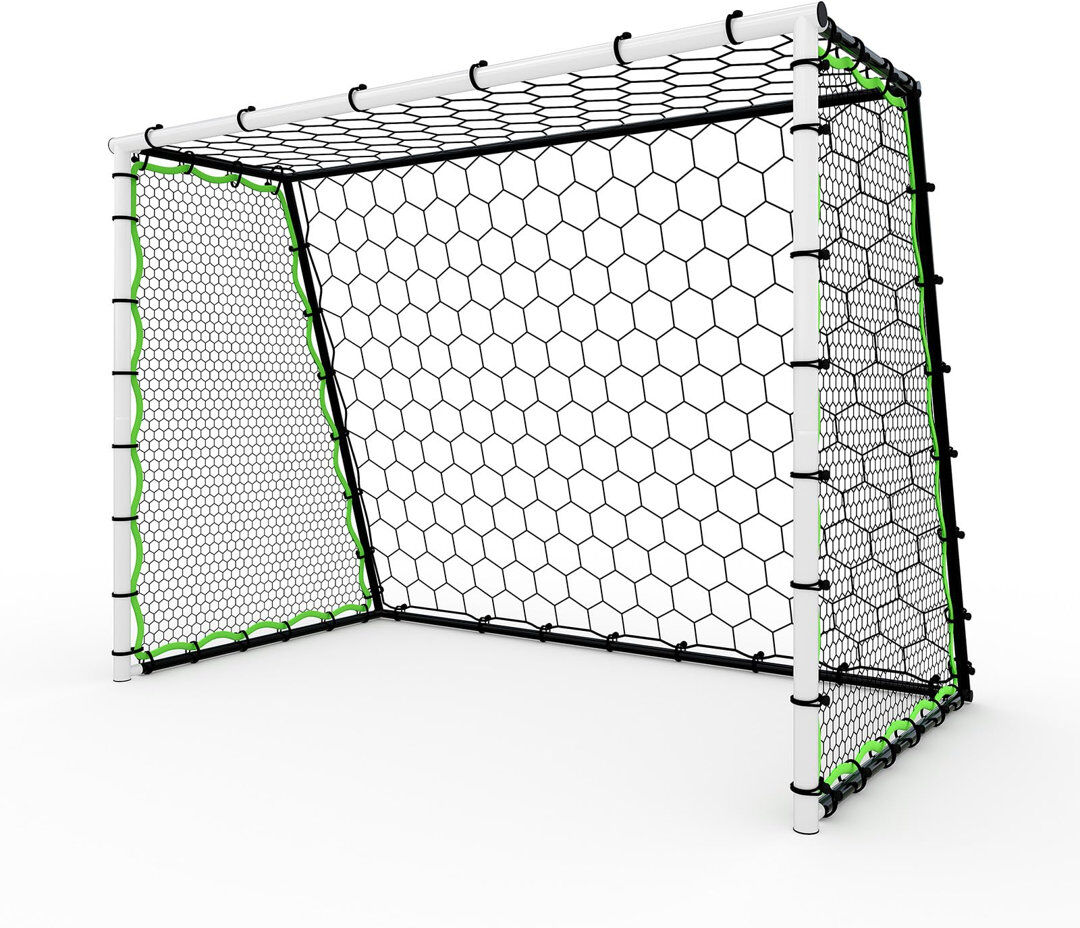
ZACOO 3-in-1 Soccer Rebounder Net 7x5ft, Large Football Goal Trainer with High, Low Shot Zones, Durable Steel Frame, for , Passing, Ball Control, Solo, TeamUpgrade your soccer training with this 3-in-1 Soccer Rebounder Net and Goal. Measuring 7x5ft, it features both high and low rebound zones to simulate real-game scenarios, boosting skills in , passing, and ball control. The sturdy steel construction ensures durability for powerful kicks and year-round use, while the quick-rebound net allows for non-stop, efficient practice. Whether you’re a beginner practicing at home or a seasoned player training with your team, this versatile trainer elevates every session. Stop chasing balls and start maximizing your performance—anytime, anywhere. ZACOO119,99 £*Shipping: 0,00 £Secure redirect to the provider

-
How do you calculate the damping factor?
The damping factor can be calculated by dividing the actual damping coefficient of a system by the critical damping coefficient. The critical damping coefficient is calculated by multiplying the mass of the system by the square root of the spring constant. Once you have both values, you can divide the actual damping coefficient by the critical damping coefficient to determine the damping factor of the system. A damping factor greater than 1 indicates an overdamped system, a factor of 1 represents critical damping, and a factor less than 1 signifies an underdamped system. **
-
When does the damping ratio apply to vibrations?
The damping ratio applies to vibrations when there is damping present in the system. Damping is a force that opposes the motion of the vibrating system, causing the amplitude of the vibrations to decrease over time. The damping ratio is a measure of how quickly the vibrations in the system decay. A higher damping ratio indicates faster decay of vibrations, while a lower damping ratio indicates slower decay. **
-
What unit does damping have in harmonic oscillation?
Damping in harmonic oscillation is typically measured in units of velocity per unit of displacement, or in units of force per unit of velocity. This is because damping represents the rate at which the oscillation's energy is dissipated, which can be quantified in terms of the velocity or force acting on the oscillating system. Therefore, the unit of damping depends on the specific context and the physical quantities involved in the oscillation. **
-
What is the difference between damping and suspension?
Damping refers to the process of controlling the oscillations and vibrations in a vehicle by dissipating the kinetic energy. This is typically achieved through the use of shock absorbers or dampers. On the other hand, suspension refers to the system that supports the vehicle and its load, providing a smooth and controlled ride over uneven surfaces. The suspension system includes components such as springs, struts, and control arms, which work together to absorb shocks and maintain stability. In summary, damping is a specific aspect of the suspension system that focuses on controlling vibrations and oscillations, while suspension encompasses the entire system that supports the vehicle and provides a comfortable ride. **


What is a frequency-dependent damping multiswitch by Kathrein?
A frequency-dependent damping multiswitch by Kathrein is a device used in satellite and cable TV systems to distribute signals to multiple receivers. It is designed to minimize signal loss and interference by adjusting the damping level based on the frequency of the signal being transmitted. This helps to ensure that each receiver receives a strong and clear signal, improving overall system performance. The multiswitch is a crucial component in ensuring reliable and high-quality signal distribution in multi-dwelling units or commercial buildings. **
How can one determine the damping factor from a diagram?
The damping factor can be determined from a diagram by examining the decay of the oscillations in the system. If the oscillations decay quickly, the system has a high damping factor, indicating strong damping. If the oscillations decay slowly, the system has a low damping factor, indicating weak damping. The damping factor can also be calculated by measuring the amplitude of the oscillations at different time intervals and using the logarithmic decrement formula. **
Top-Angebote
Products related to Damping:
-
Haokelball 12x6ft Portable Soccer Goal with Agility Ladder & Cones – Quick Setup Backyard Soccer Net with Carry BagAbout this item ️ Robust Construction for Lasting Stability Built with sturdy support posts, flexible fiberglass poles, a reinforced steel base, and four ground stakes, this soccer goal delivers exceptional stability and durability for intense play111,05 $*Shipping: 0,00 $Secure redirect to the provider
-
What is the difference between damping factor and damping mass?
Damping factor is a measure of how effectively a system can dissipate energy, and it is typically represented as a ratio of the actual damping in a system to the critical damping. Damping mass, on the other hand, refers to the mass that is used to dissipate energy in a system, such as in a vibration damping system. In other words, damping factor is a measure of the effectiveness of the damping in a system, while damping mass is the physical mass that is used to provide damping in a system. **
-
What is the damping factor?
The damping factor is a parameter used in engineering and physics to describe the rate at which oscillations in a system decay over time. It is a measure of how quickly the system returns to equilibrium after being disturbed. A higher damping factor indicates faster decay of oscillations, leading to a quicker stabilization of the system. In contrast, a lower damping factor results in slower decay of oscillations, potentially leading to prolonged oscillations or even instability in the system. **
-
How do you calculate the damping factor?
The damping factor can be calculated by dividing the actual damping coefficient of a system by the critical damping coefficient. The critical damping coefficient is calculated by multiplying the mass of the system by the square root of the spring constant. Once you have both values, you can divide the actual damping coefficient by the critical damping coefficient to determine the damping factor of the system. A damping factor greater than 1 indicates an overdamped system, a factor of 1 represents critical damping, and a factor less than 1 signifies an underdamped system. **
-
When does the damping ratio apply to vibrations?
The damping ratio applies to vibrations when there is damping present in the system. Damping is a force that opposes the motion of the vibrating system, causing the amplitude of the vibrations to decrease over time. The damping ratio is a measure of how quickly the vibrations in the system decay. A higher damping ratio indicates faster decay of vibrations, while a lower damping ratio indicates slower decay. **
Similar search terms for Damping
-
Haokelball Portable 12x6FT Soccer Goal Net Set – Carry Bag, Cones & Agility Ladder IncludedProduct Highlights Durable Frame Construction – Made of robust metal tubes and flexible fiber rods for structural integrity and impact cushioning Reinforced Net Material – Knotted anti-tear net extends product lifespan under regular use Enhanced…99,99 $*Shipping: 0,00 $Secure redirect to the provider
-
ZACOO 3-in-1 Soccer Rebounder Net 7x5ft, Large Football Goal Trainer with High, Low Shot Zones, Durable Steel Frame, for , Passing, Ball Control, Solo, TeamUpgrade your soccer training with this 3-in-1 Soccer Rebounder Net and Goal. Measuring 7x5ft, it features both high and low rebound zones to simulate real-game scenarios, boosting skills in , passing, and ball control. The sturdy steel construction ensures durability for powerful kicks and year-round use, while the quick-rebound net allows for non-stop, efficient practice. Whether you’re a beginner practicing at home or a seasoned player training with your team, this versatile trainer elevates every session. Stop chasing balls and start maximizing your performance—anytime, anywhere. ZACOO119,99 £*Shipping: 0,00 £Secure redirect to the provider
-
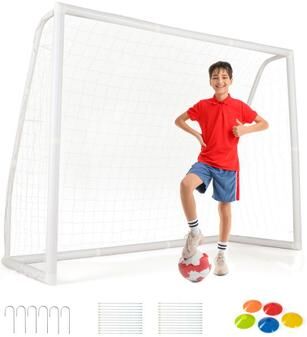
Costway 12 x 6 Feet Soccer Goal with Strong PVC Frame and High-Strength NettingThe soccer goal measures 12 x 4 x 6 ft (L x W x H) and only weighs 24.5 lbs, which is portable and lightweight for outdoor use, and you can install it anywhere you want.102,99 $*Shipping: 0,00 $Secure redirect to the provider
-
What unit does damping have in harmonic oscillation?
Damping in harmonic oscillation is typically measured in units of velocity per unit of displacement, or in units of force per unit of velocity. This is because damping represents the rate at which the oscillation's energy is dissipated, which can be quantified in terms of the velocity or force acting on the oscillating system. Therefore, the unit of damping depends on the specific context and the physical quantities involved in the oscillation. **
-
What is the difference between damping and suspension?
Damping refers to the process of controlling the oscillations and vibrations in a vehicle by dissipating the kinetic energy. This is typically achieved through the use of shock absorbers or dampers. On the other hand, suspension refers to the system that supports the vehicle and its load, providing a smooth and controlled ride over uneven surfaces. The suspension system includes components such as springs, struts, and control arms, which work together to absorb shocks and maintain stability. In summary, damping is a specific aspect of the suspension system that focuses on controlling vibrations and oscillations, while suspension encompasses the entire system that supports the vehicle and provides a comfortable ride. **
-
What is a frequency-dependent damping multiswitch by Kathrein?
A frequency-dependent damping multiswitch by Kathrein is a device used in satellite and cable TV systems to distribute signals to multiple receivers. It is designed to minimize signal loss and interference by adjusting the damping level based on the frequency of the signal being transmitted. This helps to ensure that each receiver receives a strong and clear signal, improving overall system performance. The multiswitch is a crucial component in ensuring reliable and high-quality signal distribution in multi-dwelling units or commercial buildings. **
-
How can one determine the damping factor from a diagram?
The damping factor can be determined from a diagram by examining the decay of the oscillations in the system. If the oscillations decay quickly, the system has a high damping factor, indicating strong damping. If the oscillations decay slowly, the system has a low damping factor, indicating weak damping. The damping factor can also be calculated by measuring the amplitude of the oscillations at different time intervals and using the logarithmic decrement formula. **
* All prices are inclusive of VAT and, if applicable, plus shipping costs. The offer information is based on the details provided by the respective shop and is updated through automated processes. Real-time updates do not occur, so deviations can occur in individual cases. ** Note: Parts of this content were created by AI.