Buy womensfootball.eu ?
We are moving the project
womensfootball.eu .
Are you interested in purchasing the domain
womensfootball.eu ?
domain@kv-gmbh.de · 0541-91531010
Buy womensfootball.eu ?
'Astrophysics or Astronomy?'
Astrophysics and astronomy are closely related fields, but they have distinct focuses. Astronomy is the study of celestial objects and phenomena in the universe, while astrophysics involves applying the principles of physics to understand the behavior and properties of these objects. Astrophysics delves deeper into the physical processes that govern the universe, such as the study of gravity, electromagnetism, and nuclear reactions. Both fields are essential for advancing our understanding of the cosmos, with astronomy providing observational data and astrophysics providing theoretical explanations. **
'Astrophysics or Physics?'
Astrophysics and physics are closely related fields, but they have different focuses. Astrophysics specifically deals with the study of the universe, including the behavior of celestial bodies, the structure of galaxies, and the origins of the universe. Physics, on the other hand, is a broader field that encompasses the study of matter, energy, and the fundamental forces of nature. Both fields are fascinating and offer unique opportunities for research and discovery, so the choice between astrophysics and physics ultimately depends on one's specific interests and career goals. **


Similar search terms for Astrophysics
Top-Angebote
Products related to Astrophysics:
-
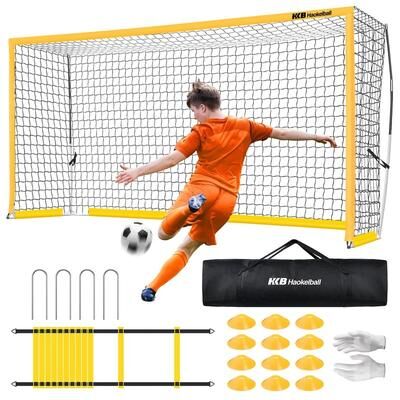
Haokelball 12x6ft Portable Soccer Goal with Agility Ladder & Cones – Quick Setup Backyard Soccer Net with Carry BagAbout this item ️ Robust Construction for Lasting Stability Built with sturdy support posts, flexible fiberglass poles, a reinforced steel base, and four ground stakes, this soccer goal delivers exceptional stability and durability for intense play111,05 $*Shipping: 0,00 $Secure redirect to the provider
-
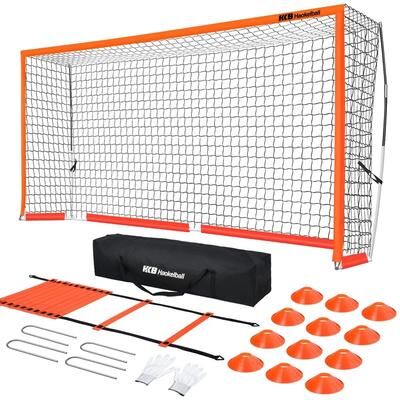
Haokelball Portable 12x6FT Soccer Goal Net Set – Carry Bag, Cones & Agility Ladder IncludedProduct Highlights Durable Frame Construction – Made of robust metal tubes and flexible fiber rods for structural integrity and impact cushioning Reinforced Net Material – Knotted anti-tear net extends product lifespan under regular use Enhanced…99,99 $*Shipping: 0,00 $Secure redirect to the provider
-
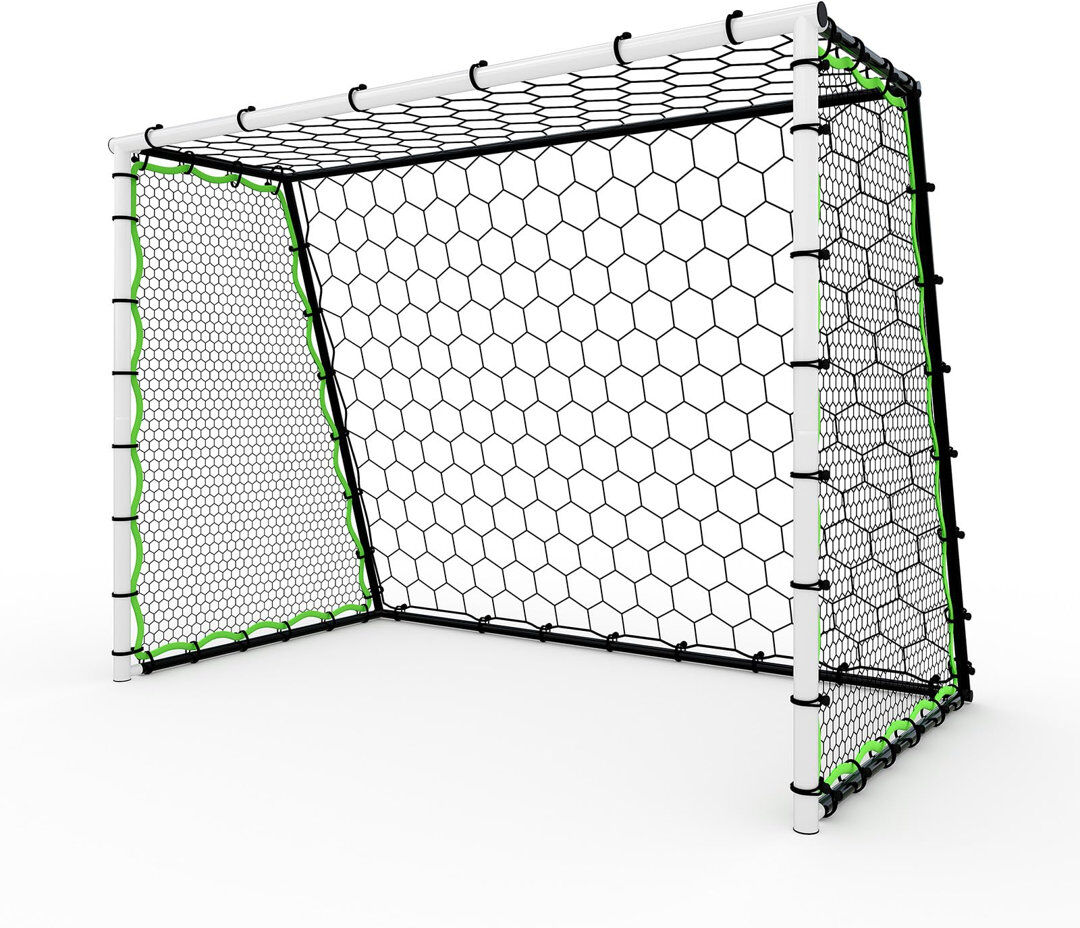
ZACOO 3-in-1 Soccer Rebounder Net 7x5ft, Large Football Goal Trainer with High, Low Shot Zones, Durable Steel Frame, for , Passing, Ball Control, Solo, TeamUpgrade your soccer training with this 3-in-1 Soccer Rebounder Net and Goal. Measuring 7x5ft, it features both high and low rebound zones to simulate real-game scenarios, boosting skills in , passing, and ball control. The sturdy steel construction ensures durability for powerful kicks and year-round use, while the quick-rebound net allows for non-stop, efficient practice. Whether you’re a beginner practicing at home or a seasoned player training with your team, this versatile trainer elevates every session. Stop chasing balls and start maximizing your performance—anytime, anywhere. ZACOO119,99 £*Shipping: 0,00 £Secure redirect to the provider

-
Is astrophysics very difficult?
Astrophysics can be considered difficult due to its complex mathematical and theoretical concepts. Understanding the behavior of celestial bodies, the nature of the universe, and the fundamental forces at play requires a strong foundation in physics, mathematics, and computational skills. Additionally, the vastness of the subject matter and the need for advanced technology and observational data make it a challenging field to study and work in. However, with dedication, passion, and perseverance, many individuals find astrophysics to be an incredibly rewarding and fascinating field of study. **
-
What is an astrophysics course?
An astrophysics course is a study of the physical properties and behavior of celestial objects and phenomena in the universe. It covers topics such as the formation and evolution of stars, galaxies, and the universe, as well as the fundamental principles of physics that govern these processes. Students in an astrophysics course will learn about topics such as stellar structure, cosmology, gravitational dynamics, and the properties of various astronomical objects. The course may also include hands-on activities, observations, and data analysis to help students understand the principles and theories of astrophysics. **
-
How can one study astrophysics?
Studying astrophysics typically involves pursuing a degree in physics or astronomy at the undergraduate level, followed by specializing in astrophysics at the graduate level. Courses in mathematics, physics, and astronomy are essential for understanding the fundamental principles of astrophysics. Additionally, gaining research experience through internships, summer programs, or working with faculty members can provide valuable hands-on experience in the field. Keeping up with current research, attending conferences, and networking with professionals in the field can also help one stay informed and connected in the field of astrophysics. **
-
Is it worth studying astrophysics?
Studying astrophysics can be worth it for those who have a passion for understanding the universe and its mysteries. It offers the opportunity to explore topics such as the origins of the universe, black holes, and the search for extraterrestrial life. Additionally, a degree in astrophysics can lead to a variety of career paths, including research, academia, and even technology and engineering. However, it is important to consider the level of commitment and dedication required for this field of study, as it can be challenging and competitive. Ultimately, the decision to study astrophysics should be based on a genuine interest in the subject and a willingness to pursue a career in a related field. **


How do I start with astrophysics?
To start with astrophysics, it is important to have a strong foundation in physics and mathematics. You can begin by taking courses in these subjects at the high school or college level. It is also helpful to read books and articles on astrophysics to gain a better understanding of the field. Additionally, participating in astronomy clubs, attending lectures, and seeking out research opportunities can provide valuable hands-on experience in astrophysics. **
What is the degree for astrophysics?
A degree in astrophysics is typically a Bachelor of Science (B.S.) degree, although higher degrees such as Master of Science (M.S.) and Doctor of Philosophy (Ph.D.) are also available for those who wish to pursue advanced research or academic careers in the field. The curriculum for an astrophysics degree includes courses in physics, astronomy, mathematics, and computer science, with a focus on understanding the physical properties and behavior of celestial objects and phenomena. Graduates with a degree in astrophysics can pursue careers in research, academia, space exploration, and data analysis. **
Top-Angebote
Products related to Astrophysics:
-
Haokelball 12x6ft Portable Soccer Goal with Agility Ladder & Cones – Quick Setup Backyard Soccer Net with Carry BagAbout this item ️ Robust Construction for Lasting Stability Built with sturdy support posts, flexible fiberglass poles, a reinforced steel base, and four ground stakes, this soccer goal delivers exceptional stability and durability for intense play111,05 $*Shipping: 0,00 $Secure redirect to the provider
-
'Astrophysics or Astronomy?'
Astrophysics and astronomy are closely related fields, but they have distinct focuses. Astronomy is the study of celestial objects and phenomena in the universe, while astrophysics involves applying the principles of physics to understand the behavior and properties of these objects. Astrophysics delves deeper into the physical processes that govern the universe, such as the study of gravity, electromagnetism, and nuclear reactions. Both fields are essential for advancing our understanding of the cosmos, with astronomy providing observational data and astrophysics providing theoretical explanations. **
-
'Astrophysics or Physics?'
Astrophysics and physics are closely related fields, but they have different focuses. Astrophysics specifically deals with the study of the universe, including the behavior of celestial bodies, the structure of galaxies, and the origins of the universe. Physics, on the other hand, is a broader field that encompasses the study of matter, energy, and the fundamental forces of nature. Both fields are fascinating and offer unique opportunities for research and discovery, so the choice between astrophysics and physics ultimately depends on one's specific interests and career goals. **
-
Is astrophysics very difficult?
Astrophysics can be considered difficult due to its complex mathematical and theoretical concepts. Understanding the behavior of celestial bodies, the nature of the universe, and the fundamental forces at play requires a strong foundation in physics, mathematics, and computational skills. Additionally, the vastness of the subject matter and the need for advanced technology and observational data make it a challenging field to study and work in. However, with dedication, passion, and perseverance, many individuals find astrophysics to be an incredibly rewarding and fascinating field of study. **
-
What is an astrophysics course?
An astrophysics course is a study of the physical properties and behavior of celestial objects and phenomena in the universe. It covers topics such as the formation and evolution of stars, galaxies, and the universe, as well as the fundamental principles of physics that govern these processes. Students in an astrophysics course will learn about topics such as stellar structure, cosmology, gravitational dynamics, and the properties of various astronomical objects. The course may also include hands-on activities, observations, and data analysis to help students understand the principles and theories of astrophysics. **
Similar search terms for Astrophysics
-
Haokelball Portable 12x6FT Soccer Goal Net Set – Carry Bag, Cones & Agility Ladder IncludedProduct Highlights Durable Frame Construction – Made of robust metal tubes and flexible fiber rods for structural integrity and impact cushioning Reinforced Net Material – Knotted anti-tear net extends product lifespan under regular use Enhanced…99,99 $*Shipping: 0,00 $Secure redirect to the provider
-
ZACOO 3-in-1 Soccer Rebounder Net 7x5ft, Large Football Goal Trainer with High, Low Shot Zones, Durable Steel Frame, for , Passing, Ball Control, Solo, TeamUpgrade your soccer training with this 3-in-1 Soccer Rebounder Net and Goal. Measuring 7x5ft, it features both high and low rebound zones to simulate real-game scenarios, boosting skills in , passing, and ball control. The sturdy steel construction ensures durability for powerful kicks and year-round use, while the quick-rebound net allows for non-stop, efficient practice. Whether you’re a beginner practicing at home or a seasoned player training with your team, this versatile trainer elevates every session. Stop chasing balls and start maximizing your performance—anytime, anywhere. ZACOO119,99 £*Shipping: 0,00 £Secure redirect to the provider
-
Costway 12 x 6 Feet Soccer Goal with Strong PVC Frame and High-Strength NettingThe soccer goal measures 12 x 4 x 6 ft (L x W x H) and only weighs 24.5 lbs, which is portable and lightweight for outdoor use, and you can install it anywhere you want.102,99 $*Shipping: 0,00 $Secure redirect to the provider
-
How can one study astrophysics?
Studying astrophysics typically involves pursuing a degree in physics or astronomy at the undergraduate level, followed by specializing in astrophysics at the graduate level. Courses in mathematics, physics, and astronomy are essential for understanding the fundamental principles of astrophysics. Additionally, gaining research experience through internships, summer programs, or working with faculty members can provide valuable hands-on experience in the field. Keeping up with current research, attending conferences, and networking with professionals in the field can also help one stay informed and connected in the field of astrophysics. **
-
Is it worth studying astrophysics?
Studying astrophysics can be worth it for those who have a passion for understanding the universe and its mysteries. It offers the opportunity to explore topics such as the origins of the universe, black holes, and the search for extraterrestrial life. Additionally, a degree in astrophysics can lead to a variety of career paths, including research, academia, and even technology and engineering. However, it is important to consider the level of commitment and dedication required for this field of study, as it can be challenging and competitive. Ultimately, the decision to study astrophysics should be based on a genuine interest in the subject and a willingness to pursue a career in a related field. **
-
How do I start with astrophysics?
To start with astrophysics, it is important to have a strong foundation in physics and mathematics. You can begin by taking courses in these subjects at the high school or college level. It is also helpful to read books and articles on astrophysics to gain a better understanding of the field. Additionally, participating in astronomy clubs, attending lectures, and seeking out research opportunities can provide valuable hands-on experience in astrophysics. **
-
What is the degree for astrophysics?
A degree in astrophysics is typically a Bachelor of Science (B.S.) degree, although higher degrees such as Master of Science (M.S.) and Doctor of Philosophy (Ph.D.) are also available for those who wish to pursue advanced research or academic careers in the field. The curriculum for an astrophysics degree includes courses in physics, astronomy, mathematics, and computer science, with a focus on understanding the physical properties and behavior of celestial objects and phenomena. Graduates with a degree in astrophysics can pursue careers in research, academia, space exploration, and data analysis. **
* All prices are inclusive of VAT and, if applicable, plus shipping costs. The offer information is based on the details provided by the respective shop and is updated through automated processes. Real-time updates do not occur, so deviations can occur in individual cases. ** Note: Parts of this content were created by AI.