Buy womensfootball.eu ?
We are moving the project
womensfootball.eu .
Are you interested in purchasing the domain
womensfootball.eu ?
domain@kv-gmbh.de · 0541-91531010
Buy womensfootball.eu ?
What is 8085 Assembler?
8085 Assembler is a programming language that is used to write programs for the Intel 8085 microprocessor. It allows programmers to write instructions in mnemonic form, which are then converted into machine code that the 8085 microprocessor can understand and execute. The assembler helps in translating human-readable instructions into binary code, making it easier for programmers to write and debug programs for the 8085 microprocessor. **
Who programmed the assembler compiler?
The assembler compiler was programmed by a team of software engineers and developers. Assembler compilers are complex pieces of software that require expertise in programming languages, computer architecture, and low-level system operations. The team would have worked together to design, develop, and test the compiler to ensure it could accurately translate assembly language code into machine code for a specific computer architecture. **


Similar search terms for Assembler
Top-Angebote
Products related to Assembler:
-
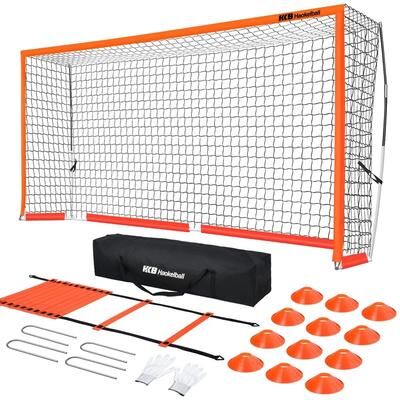
Haokelball 12x6ft Portable Soccer Goal with Agility Ladder & Cones – Quick Setup Backyard Soccer Net with Carry BagAbout this item ️ Robust Construction for Lasting Stability Built with sturdy support posts, flexible fiberglass poles, a reinforced steel base, and four ground stakes, this soccer goal delivers exceptional stability and durability for intense play111,05 $*Shipping: 0,00 $Secure redirect to the provider
-
Haokelball Portable 12x6FT Soccer Goal Net Set – Carry Bag, Cones & Agility Ladder IncludedProduct Highlights Durable Frame Construction – Made of robust metal tubes and flexible fiber rods for structural integrity and impact cushioning Reinforced Net Material – Knotted anti-tear net extends product lifespan under regular use Enhanced…99,99 $*Shipping: 0,00 $Secure redirect to the provider
-
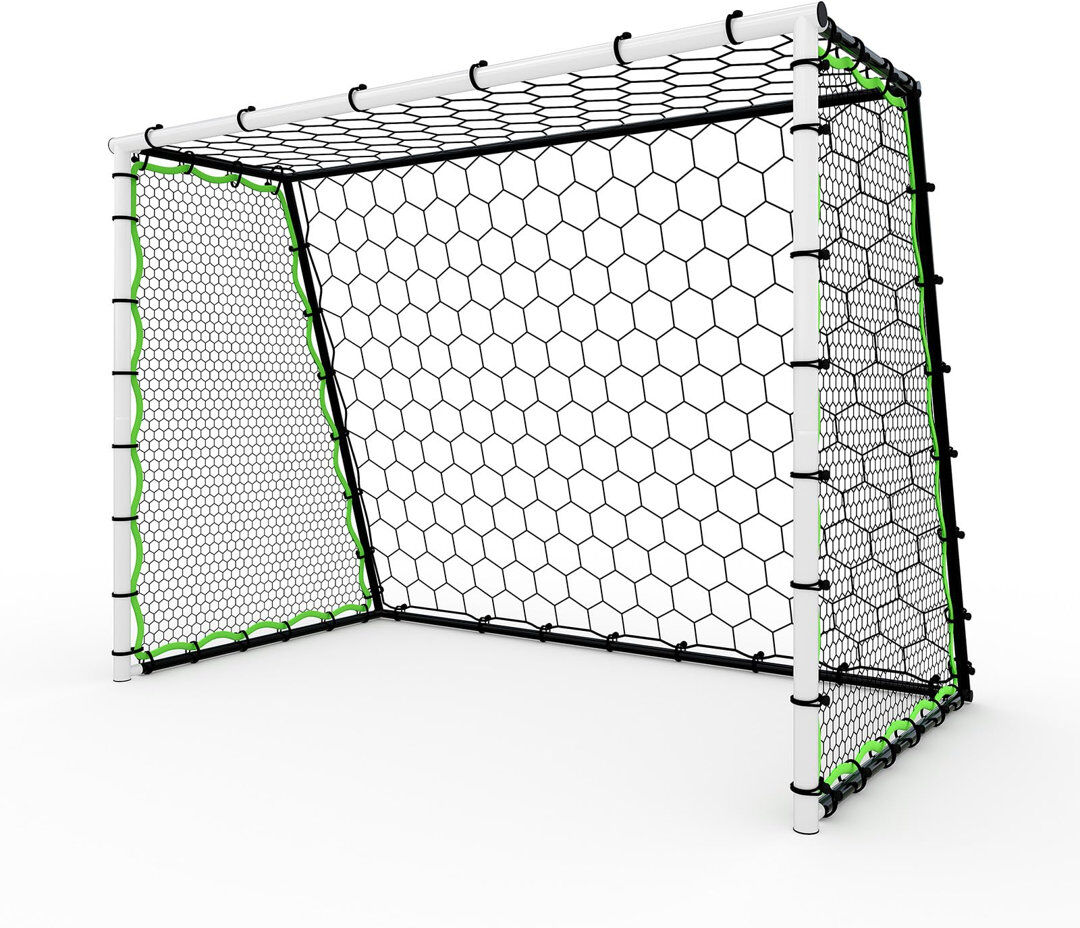
ZACOO 3-in-1 Soccer Rebounder Net 7x5ft, Large Football Goal Trainer with High, Low Shot Zones, Durable Steel Frame, for , Passing, Ball Control, Solo, TeamUpgrade your soccer training with this 3-in-1 Soccer Rebounder Net and Goal. Measuring 7x5ft, it features both high and low rebound zones to simulate real-game scenarios, boosting skills in , passing, and ball control. The sturdy steel construction ensures durability for powerful kicks and year-round use, while the quick-rebound net allows for non-stop, efficient practice. Whether you’re a beginner practicing at home or a seasoned player training with your team, this versatile trainer elevates every session. Stop chasing balls and start maximizing your performance—anytime, anywhere. ZACOO119,99 £*Shipping: 0,00 £Secure redirect to the provider


-
What is a stack assembler?
A stack assembler is a type of assembly language that is designed to work with a stack-based architecture. It provides instructions for manipulating the stack, such as pushing values onto the stack, popping values off the stack, and performing arithmetic and logical operations using stack-based operands. Stack assemblers are commonly used in embedded systems and low-level programming where efficient memory management and manipulation is crucial. They are also used in situations where a stack-based architecture is the most suitable for the specific hardware or software requirements. **
-
What can one do with assembler?
Assembler is a low-level programming language that allows programmers to directly interact with a computer's hardware. With assembler, one can write programs that directly control the computer's resources, such as memory, input/output devices, and the CPU. This makes it suitable for tasks that require precise control over hardware, such as writing device drivers, operating system kernels, and embedded systems programming. Assembler is also used for performance-critical applications where fine-grained control over hardware resources is necessary. Overall, assembler is a powerful tool for programming at the hardware level. **
-
How can one understand assembler code?
Understanding assembler code requires a strong understanding of computer architecture and low-level programming concepts. It is important to be familiar with the specific assembly language being used, as well as the corresponding instruction set architecture for the target processor. Reading and analyzing assembler code often involves understanding the purpose of each instruction, the flow of control within the program, and the manipulation of memory and registers. Additionally, having experience with debugging tools and disassemblers can aid in understanding and analyzing assembler code. **
-
How can one learn assembler commands?
One can learn assembler commands by studying programming languages and computer architecture. There are many resources available online, such as tutorials, books, and videos, that can help one understand the basics of assembler commands. Additionally, practicing writing and debugging assembler code can help reinforce the learning process. Joining a community or forum of assembler programmers can also provide valuable support and guidance. **


Why does the NASM assembler print incorrectly?
The NASM assembler may print incorrectly due to a variety of reasons, including syntax errors in the assembly code, incorrect usage of directives or instructions, or issues with the input file format. Additionally, errors in the addressing mode or incorrect memory references can also lead to incorrect output. It is important to carefully review the assembly code and ensure that it follows the correct syntax and usage of NASM directives and instructions to avoid printing errors. **
What is the program code for Assembler?
The program code for Assembler is written using mnemonic instructions and data directives. Each instruction corresponds to a specific operation, such as moving data, performing arithmetic operations, or controlling program flow. The code is written using a combination of mnemonics, operands, and labels, and it is then translated into machine code by the assembler. The resulting machine code can be executed directly by the computer's processor. **
Top-Angebote
Products related to Assembler:
-
Haokelball 12x6ft Portable Soccer Goal with Agility Ladder & Cones – Quick Setup Backyard Soccer Net with Carry BagAbout this item ️ Robust Construction for Lasting Stability Built with sturdy support posts, flexible fiberglass poles, a reinforced steel base, and four ground stakes, this soccer goal delivers exceptional stability and durability for intense play111,05 $*Shipping: 0,00 $Secure redirect to the provider
-
What is 8085 Assembler?
8085 Assembler is a programming language that is used to write programs for the Intel 8085 microprocessor. It allows programmers to write instructions in mnemonic form, which are then converted into machine code that the 8085 microprocessor can understand and execute. The assembler helps in translating human-readable instructions into binary code, making it easier for programmers to write and debug programs for the 8085 microprocessor. **
-
Who programmed the assembler compiler?
The assembler compiler was programmed by a team of software engineers and developers. Assembler compilers are complex pieces of software that require expertise in programming languages, computer architecture, and low-level system operations. The team would have worked together to design, develop, and test the compiler to ensure it could accurately translate assembly language code into machine code for a specific computer architecture. **
-
What is a stack assembler?
A stack assembler is a type of assembly language that is designed to work with a stack-based architecture. It provides instructions for manipulating the stack, such as pushing values onto the stack, popping values off the stack, and performing arithmetic and logical operations using stack-based operands. Stack assemblers are commonly used in embedded systems and low-level programming where efficient memory management and manipulation is crucial. They are also used in situations where a stack-based architecture is the most suitable for the specific hardware or software requirements. **
-
What can one do with assembler?
Assembler is a low-level programming language that allows programmers to directly interact with a computer's hardware. With assembler, one can write programs that directly control the computer's resources, such as memory, input/output devices, and the CPU. This makes it suitable for tasks that require precise control over hardware, such as writing device drivers, operating system kernels, and embedded systems programming. Assembler is also used for performance-critical applications where fine-grained control over hardware resources is necessary. Overall, assembler is a powerful tool for programming at the hardware level. **
Similar search terms for Assembler
-
Haokelball Portable 12x6FT Soccer Goal Net Set – Carry Bag, Cones & Agility Ladder IncludedProduct Highlights Durable Frame Construction – Made of robust metal tubes and flexible fiber rods for structural integrity and impact cushioning Reinforced Net Material – Knotted anti-tear net extends product lifespan under regular use Enhanced…99,99 $*Shipping: 0,00 $Secure redirect to the provider
-
ZACOO 3-in-1 Soccer Rebounder Net 7x5ft, Large Football Goal Trainer with High, Low Shot Zones, Durable Steel Frame, for , Passing, Ball Control, Solo, TeamUpgrade your soccer training with this 3-in-1 Soccer Rebounder Net and Goal. Measuring 7x5ft, it features both high and low rebound zones to simulate real-game scenarios, boosting skills in , passing, and ball control. The sturdy steel construction ensures durability for powerful kicks and year-round use, while the quick-rebound net allows for non-stop, efficient practice. Whether you’re a beginner practicing at home or a seasoned player training with your team, this versatile trainer elevates every session. Stop chasing balls and start maximizing your performance—anytime, anywhere. ZACOO119,99 £*Shipping: 0,00 £Secure redirect to the provider
-
Costway 12 x 6 Feet Soccer Goal with Strong PVC Frame and High-Strength NettingThe soccer goal measures 12 x 4 x 6 ft (L x W x H) and only weighs 24.5 lbs, which is portable and lightweight for outdoor use, and you can install it anywhere you want.102,99 $*Shipping: 0,00 $Secure redirect to the provider
-
How can one understand assembler code?
Understanding assembler code requires a strong understanding of computer architecture and low-level programming concepts. It is important to be familiar with the specific assembly language being used, as well as the corresponding instruction set architecture for the target processor. Reading and analyzing assembler code often involves understanding the purpose of each instruction, the flow of control within the program, and the manipulation of memory and registers. Additionally, having experience with debugging tools and disassemblers can aid in understanding and analyzing assembler code. **
-
How can one learn assembler commands?
One can learn assembler commands by studying programming languages and computer architecture. There are many resources available online, such as tutorials, books, and videos, that can help one understand the basics of assembler commands. Additionally, practicing writing and debugging assembler code can help reinforce the learning process. Joining a community or forum of assembler programmers can also provide valuable support and guidance. **
-
Why does the NASM assembler print incorrectly?
The NASM assembler may print incorrectly due to a variety of reasons, including syntax errors in the assembly code, incorrect usage of directives or instructions, or issues with the input file format. Additionally, errors in the addressing mode or incorrect memory references can also lead to incorrect output. It is important to carefully review the assembly code and ensure that it follows the correct syntax and usage of NASM directives and instructions to avoid printing errors. **
-
What is the program code for Assembler?
The program code for Assembler is written using mnemonic instructions and data directives. Each instruction corresponds to a specific operation, such as moving data, performing arithmetic operations, or controlling program flow. The code is written using a combination of mnemonics, operands, and labels, and it is then translated into machine code by the assembler. The resulting machine code can be executed directly by the computer's processor. **
* All prices are inclusive of VAT and, if applicable, plus shipping costs. The offer information is based on the details provided by the respective shop and is updated through automated processes. Real-time updates do not occur, so deviations can occur in individual cases. ** Note: Parts of this content were created by AI.